Blog
 Read the whole article
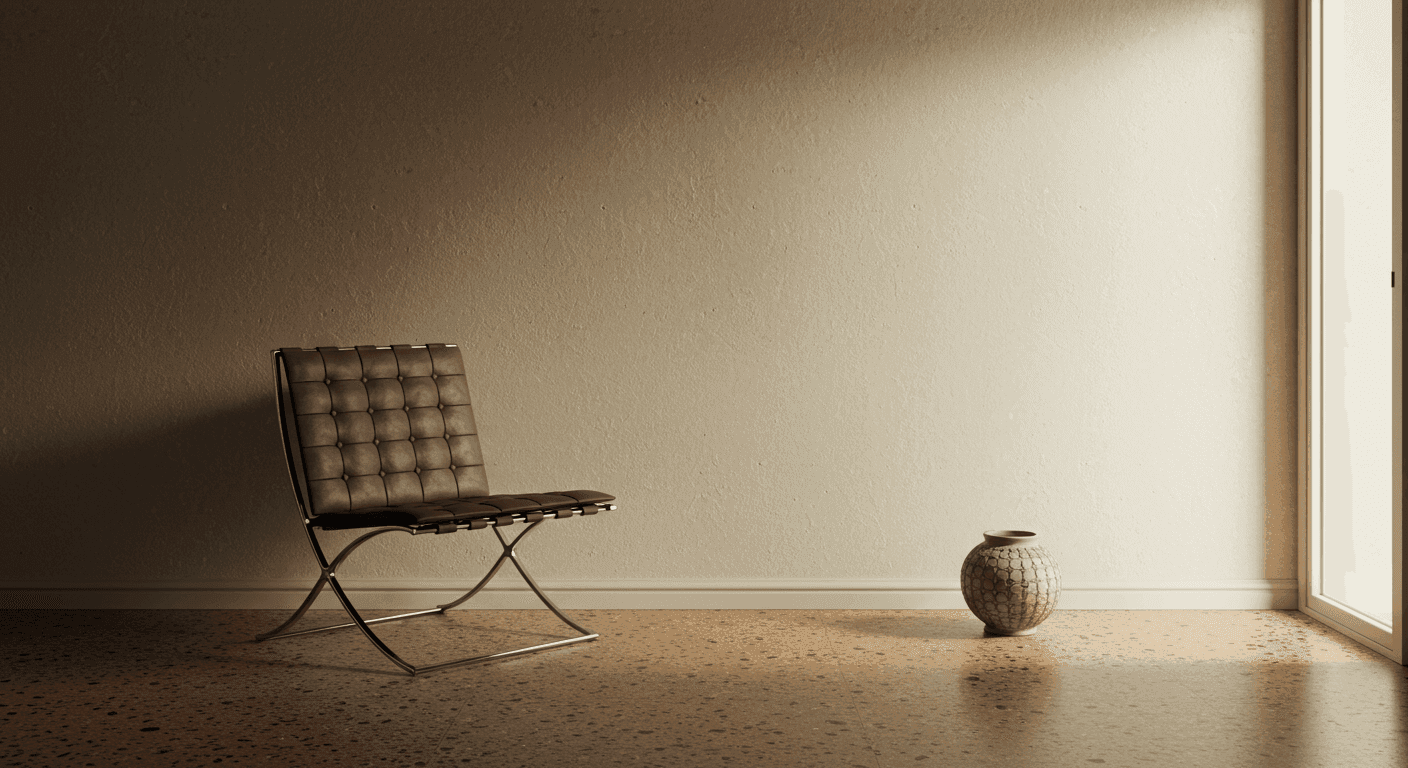
Vintage and secondhand design in Barcelona: where Spanish modernism meets Mediterranean sensibility
Barcelona's secondhand-design market sits at the intersection of Spanish modernism, Italian post-war imports, and Mediterranean indoor-outdoor design sensibility. Here's the friendly guide.
 Read more
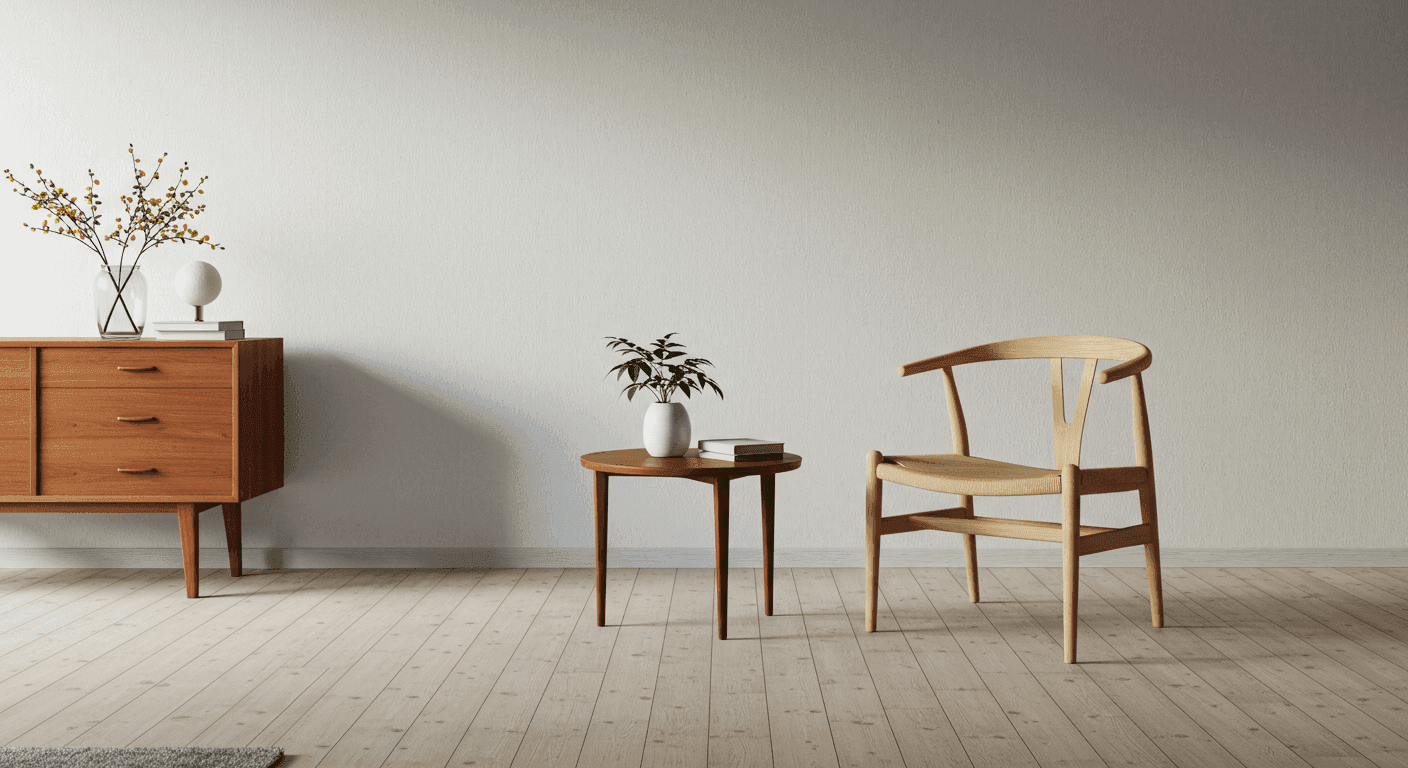
Vintage and secondhand design in Copenhagen: the home market for the canon
Copenhagen is the home market for Danish mid-century design, which means the secondhand inventory is the deepest in the world. Wegner, Jacobsen, Juhl, Mogensen, Kjærholm. Here's the friendly guide.
 Read more
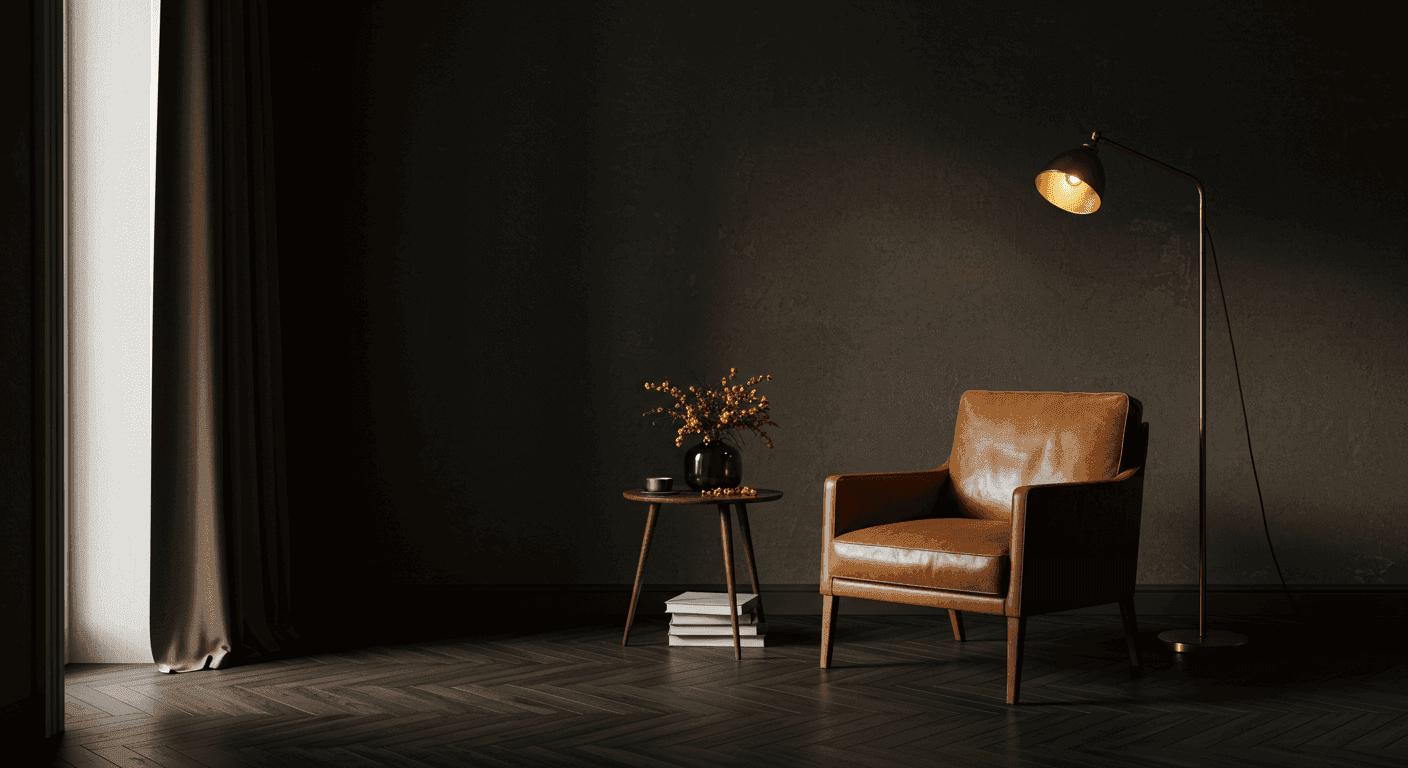
Vintage and secondhand design in Antwerp: a Flemish market with strong Dutch and French influence
Antwerp's secondhand-design market sits at a Flemish crossroads. Dutch design heritage, French post-war imports, and Belgian craft tradition combine into a distinctive local market. Here's the friendly guide.
 Read more
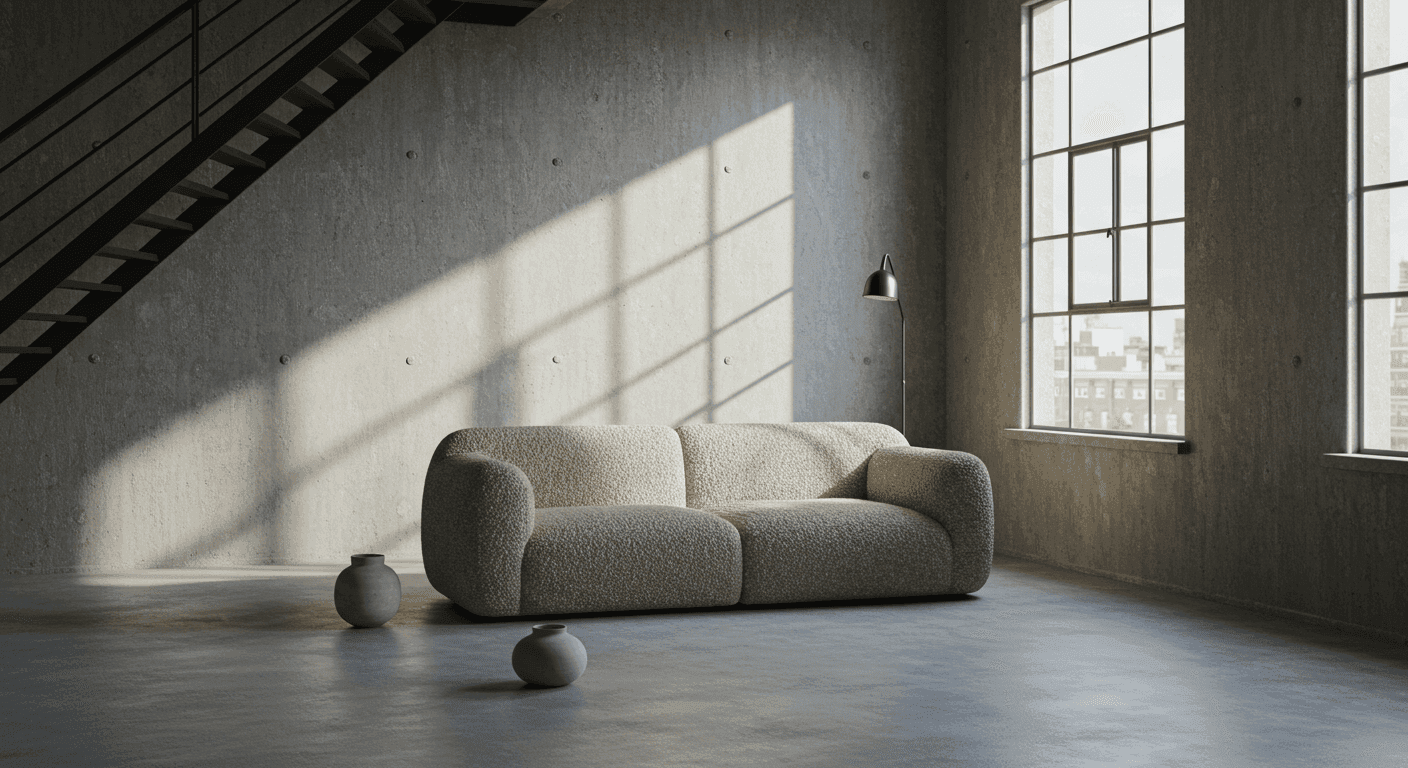
Vintage and secondhand design in Rotterdam: where Dutch design's working-class roots still show
Rotterdam has a different character from Amsterdam, and its secondhand-design market reflects that. More Dutch industrial design, more architecture-oriented pieces, and slightly lower prices than Amsterdam. Here's the friendly guide.
 Read more
Vintage and secondhand design in Milan: the deepest Italian post-war market in Europe
Milan is the home market for the entire Italian post-war design canon. Cassina, B&B Italia, Flos, Artemide and dozens of others are based here. The secondhand market reflects that density. Here's the friendly guide.
 Read more
Vintage and secondhand design in Paris: where French post-war design still moves quietly
Paris has one of Europe's most curated vintage-design markets. French post-war heritage, deep Italian imports, and a culture that takes design seriously make the city a strong but selective buying environment. Here's the friendly guide.
 Read more
Vintage and secondhand design in Berlin: where the mid-century inventory is deeper than you'd expect
Berlin has one of Europe's quietly excellent secondhand design markets. Strong Bauhaus heritage, deep mid-century supply, and a culture of careful renovation make the city a buyer's market. Here's the friendly guide.
 Read more
Vintage and secondhand design in Amsterdam: a friendly guide for buyers and sellers
Amsterdam is one of the best European cities to live with vintage design. Strong Dutch design heritage, active secondhand market, and Brenger delivery makes pickup easy. Here's the practical guide.
 Read more
The case against new: when designer furniture should never be bought brand new
I'm not anti-new-furniture. I've bought new pieces myself when there was no realistic vintage alternative. But for several specific categories, buying new is almost always the wrong call. Here's the honest breakdown.
 Read more
Circular economy in furniture: what it actually means in 2026
'Circular economy' has become a marketing term that often means very little. I want to walk through what it actually requires for furniture, what's working, what isn't, and where Whoppah fits in.
 Read more
How Whoppah's curation reduces waste before it ever reaches the landfill
Curation isn't a luxury concept. It's the mechanism by which a secondhand marketplace prevents pieces from being thrown out in the first place. Here's how it works at Whoppah and why it matters for the carbon ledger.
 Read more
The real lifecycle of a designer chair: why a 60-year-old Wegner outlasts six new sofas
Designer furniture isn't an aesthetic argument for secondhand. It's a structural one. A well-made chair from 1960 is genuinely built to last another sixty years. Here's why that compounding matters.
 Read more
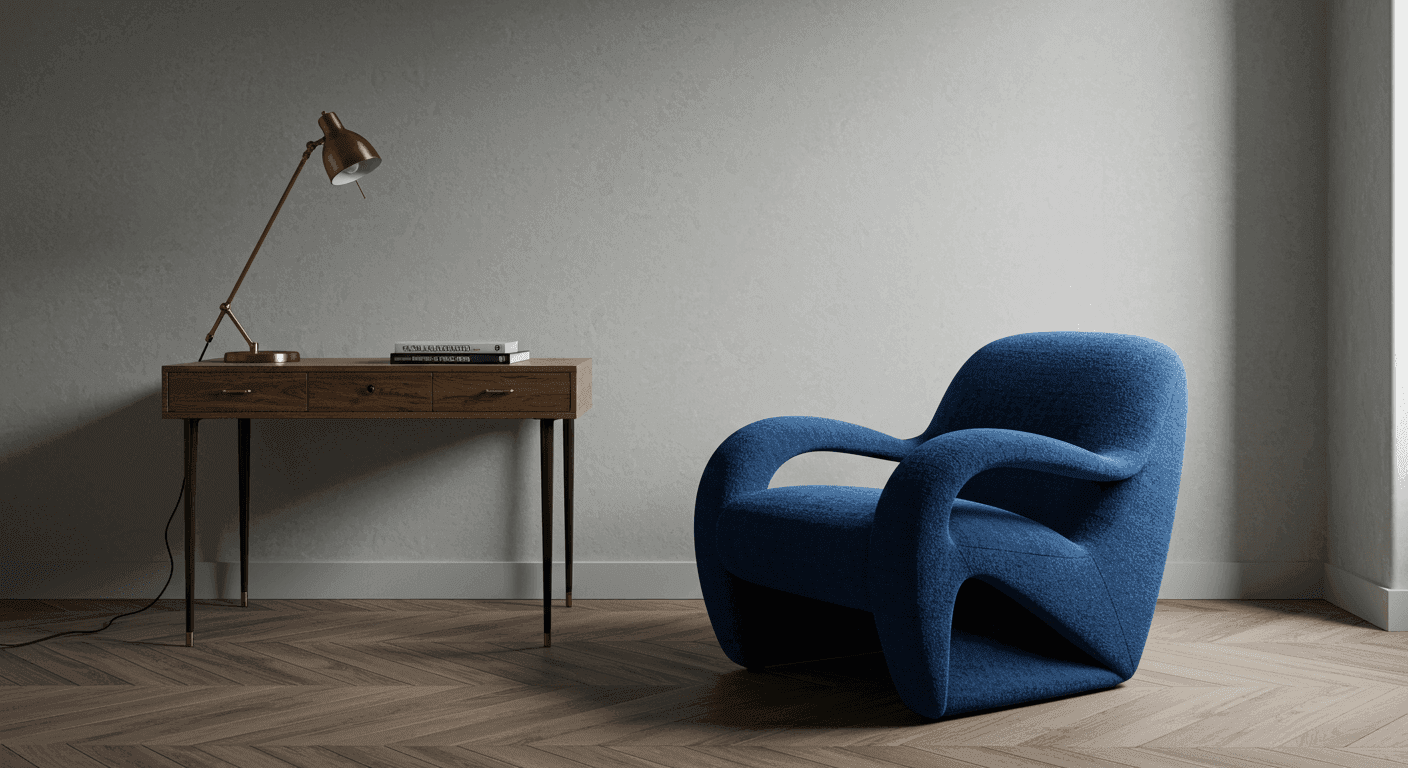
Why secondhand is the most powerful thing you can do for design's carbon footprint
Buying a vintage chair instead of a new one isn't just thrift. It is the single highest-impact climate decision most of us can make in furnishing a home. Here's the honest math, the caveats, and why I keep coming back to it.
 Read more
Cappellini: the Italian house that launched Jasper Morrison, Marc Newson and Tom Dixon
Cappellini has been a launching pad for important contemporary designers since the 1980s. Their catalogue includes Jasper Morrison, Marc Newson, Tom Dixon, the Bouroullec brothers and Nendo. Here's the short story.
 Read more
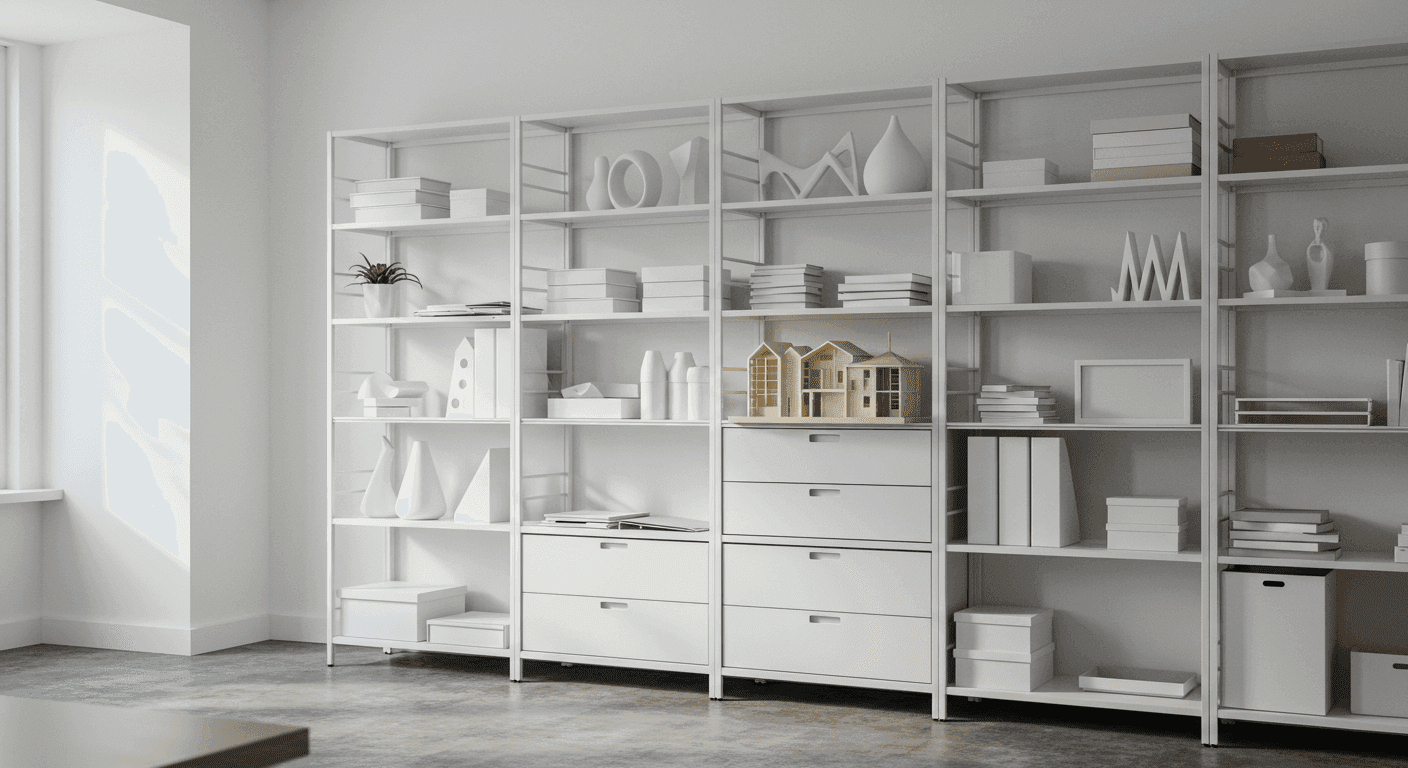
Vitsoe: the British brand producing Dieter Rams's 606 shelving since 1960
Vitsoe was founded in 1959 to manufacture Dieter Rams's furniture. The 606 Universal Shelving System has been in continuous production since 1960. Here's the short story.
 Read more
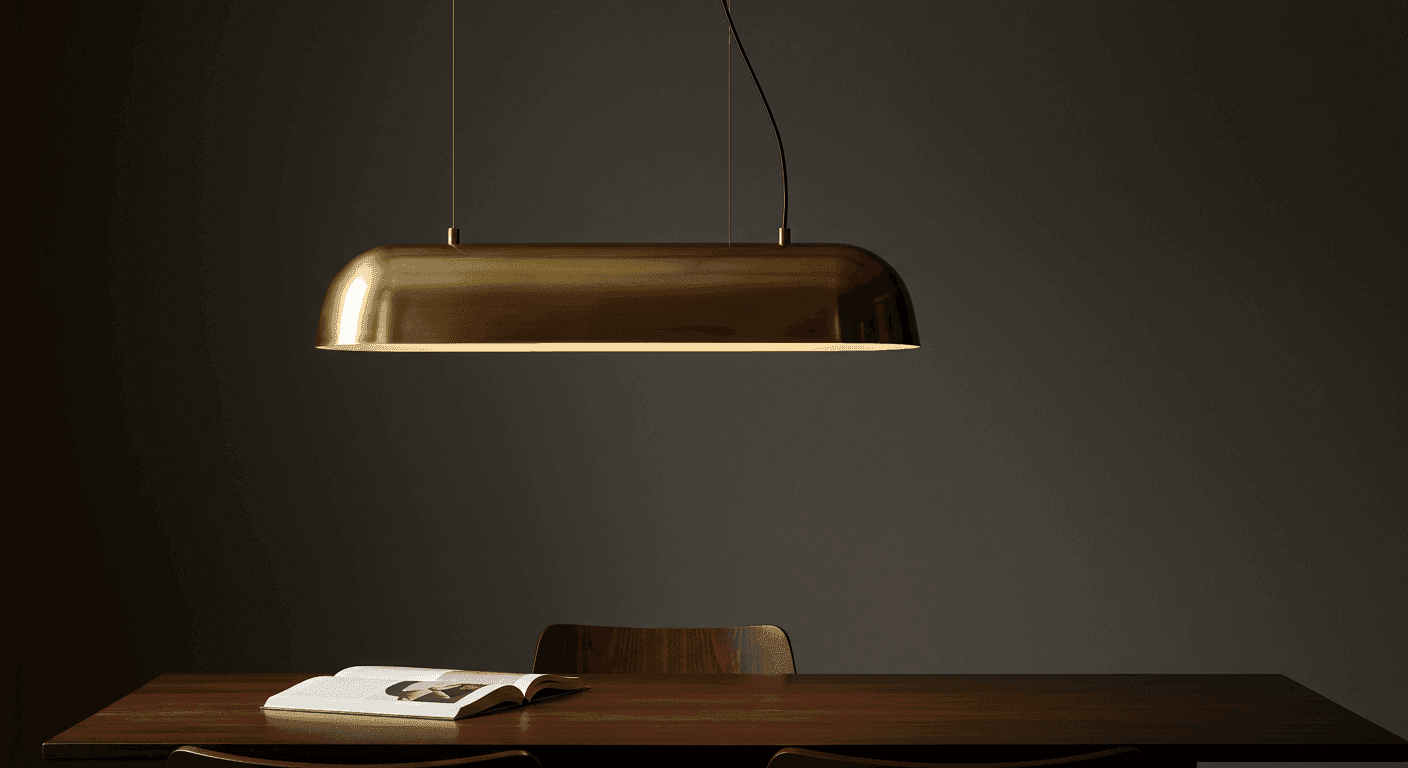
USM Haller: the Swiss modular furniture system that has been in production unchanged since 1965
USM was founded in 1885 as a metalworking shop in Bern. The USM Haller modular furniture system, designed by Fritz Haller in 1963, is now in MoMA's permanent collection and is still produced from the original factory. Here's the short story.
 Read more
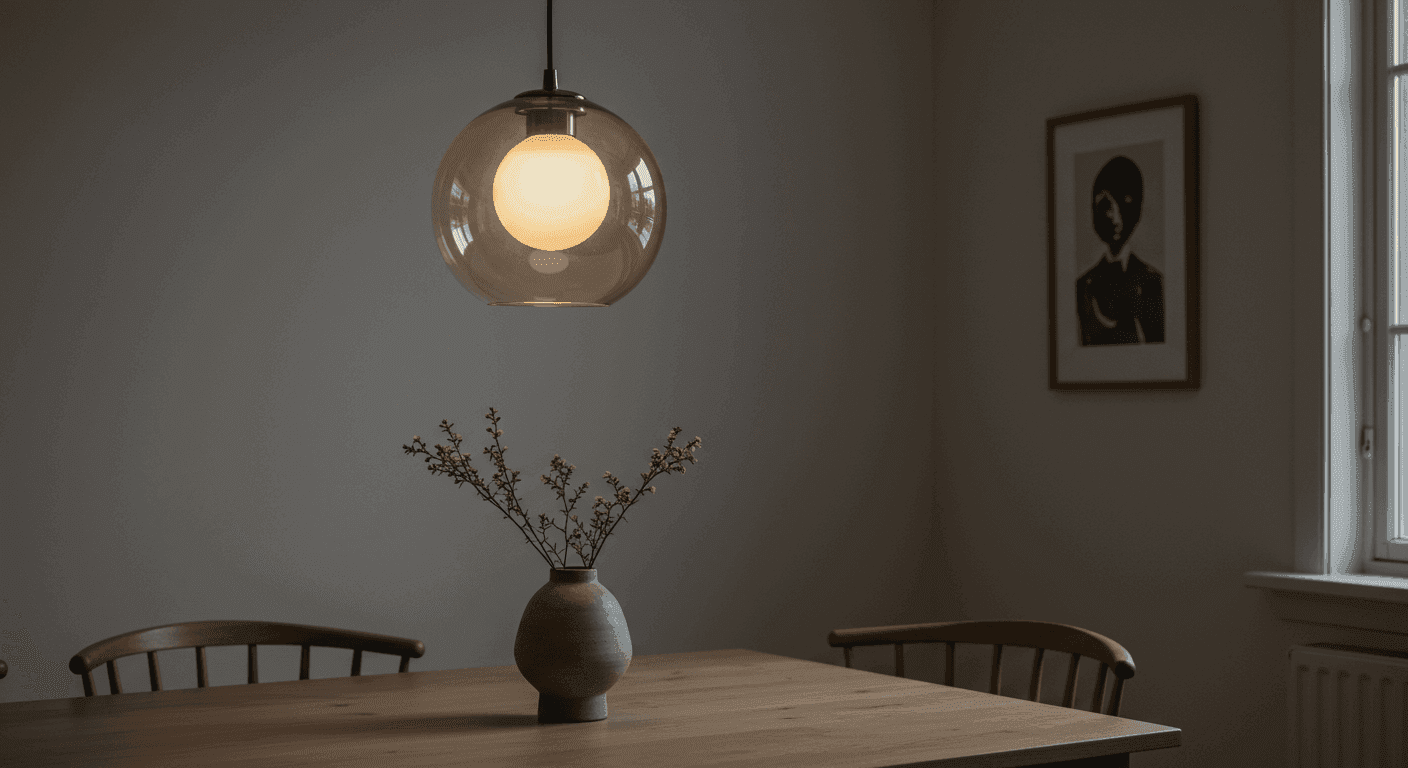
Tom Dixon: the British designer-brand that brought industrial-craft back
Tom Dixon founded his eponymous brand in 2002. The Beat pendants, the Mirror Ball, the Wingback chair and the Mass table all came out of his London studio. Here's the short story.
 Read more
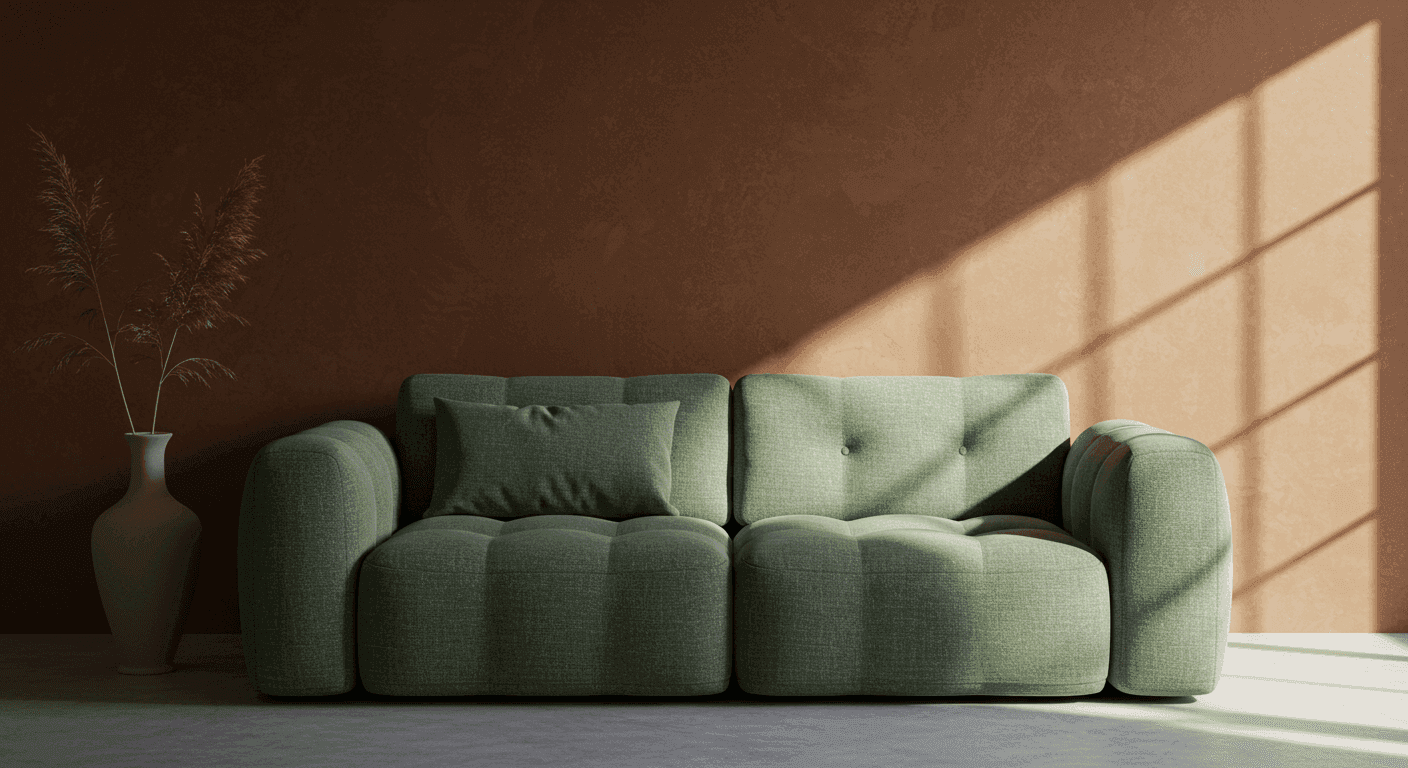
&Tradition: the Danish brand bringing forgotten mid-century pieces back
&Tradition was founded in 2010 in Copenhagen with a specific brief: reissue underappreciated Danish and Scandinavian mid-century designs alongside contemporary work. Here's the short story.
 Read more
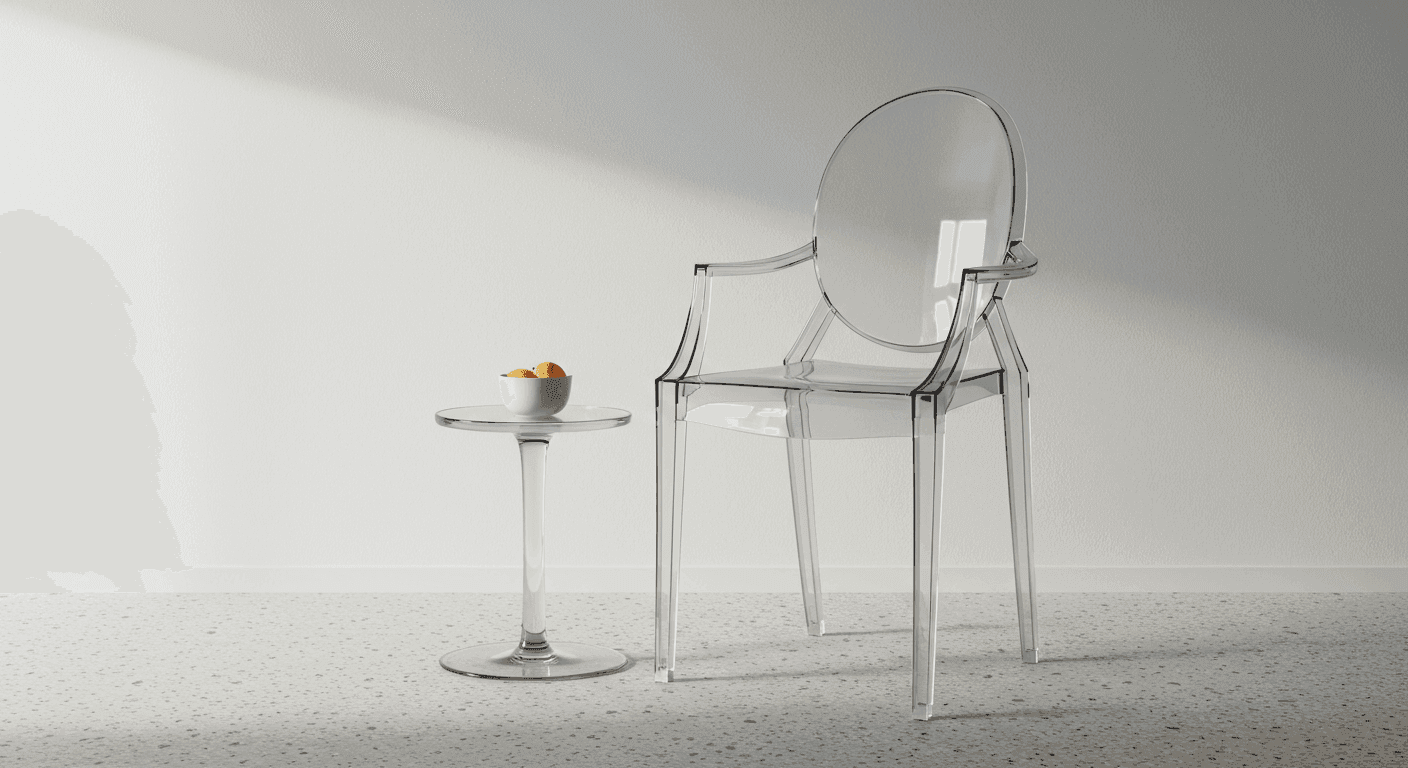
Moroso: the Italian upholstery house behind Patricia Urquiola's most famous pieces
Moroso has been making upholstered furniture in Friuli since 1952. Their catalogue includes Patricia Urquiola, Ron Arad, Marcel Wanders and Tord Boontje. Here's the short story.
 Read more
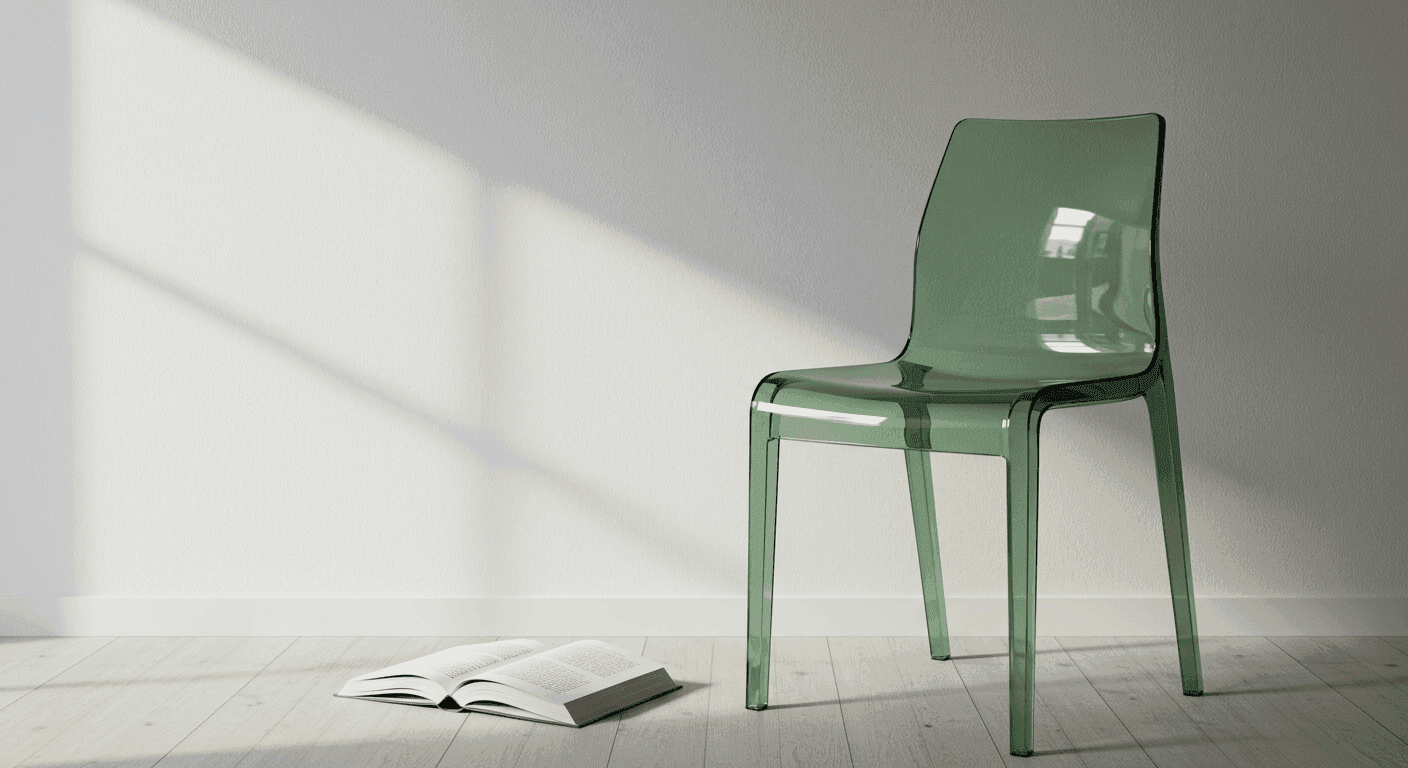
Kartell: the Italian brand that turned plastic into furniture's serious material
Kartell has been making plastic furniture in Milan since 1949. They produced Joe Colombo's earliest plastic chairs, Philippe Starck's Louis Ghost, and most of the iconic Italian plastic catalogue of the past 50 years. Here's the short story.
 Read more
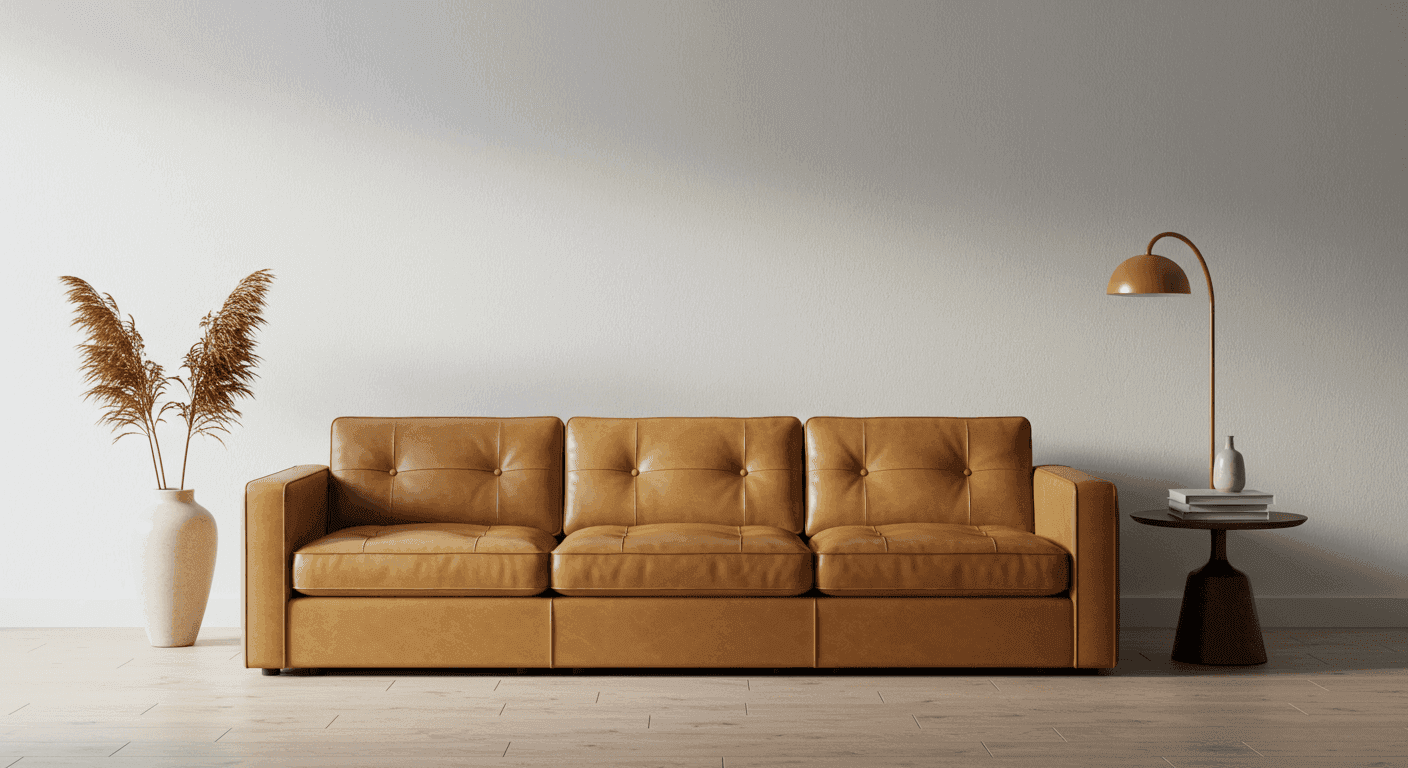
Magis: the Italian brand that took plastic furniture seriously again in the 1990s
Magis was founded in 1976. Their collaborations with Jasper Morrison, Konstantin Grcic, the Bouroullec brothers and others have produced some of the most influential contemporary furniture of the past 25 years. Here's the short story.
 Read more
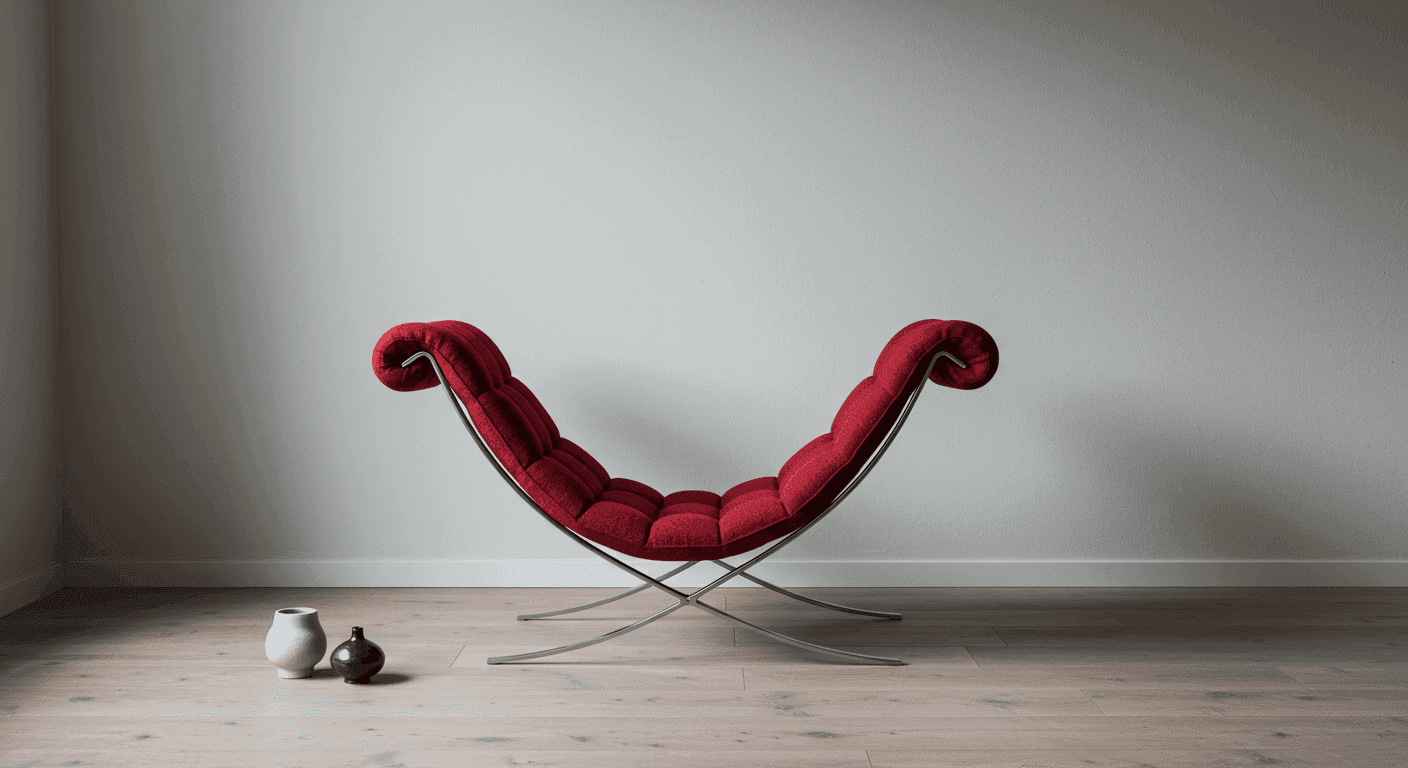
Topform: the Dutch upholsterer that quietly made the country's best mid-century sofas
Topform produced Dutch mid-century upholstered furniture from 1950 to the late 1980s. Their work is less famous than Pastoe or Artifort, which is exactly why it is still affordable. Here's the short story.
 Read more
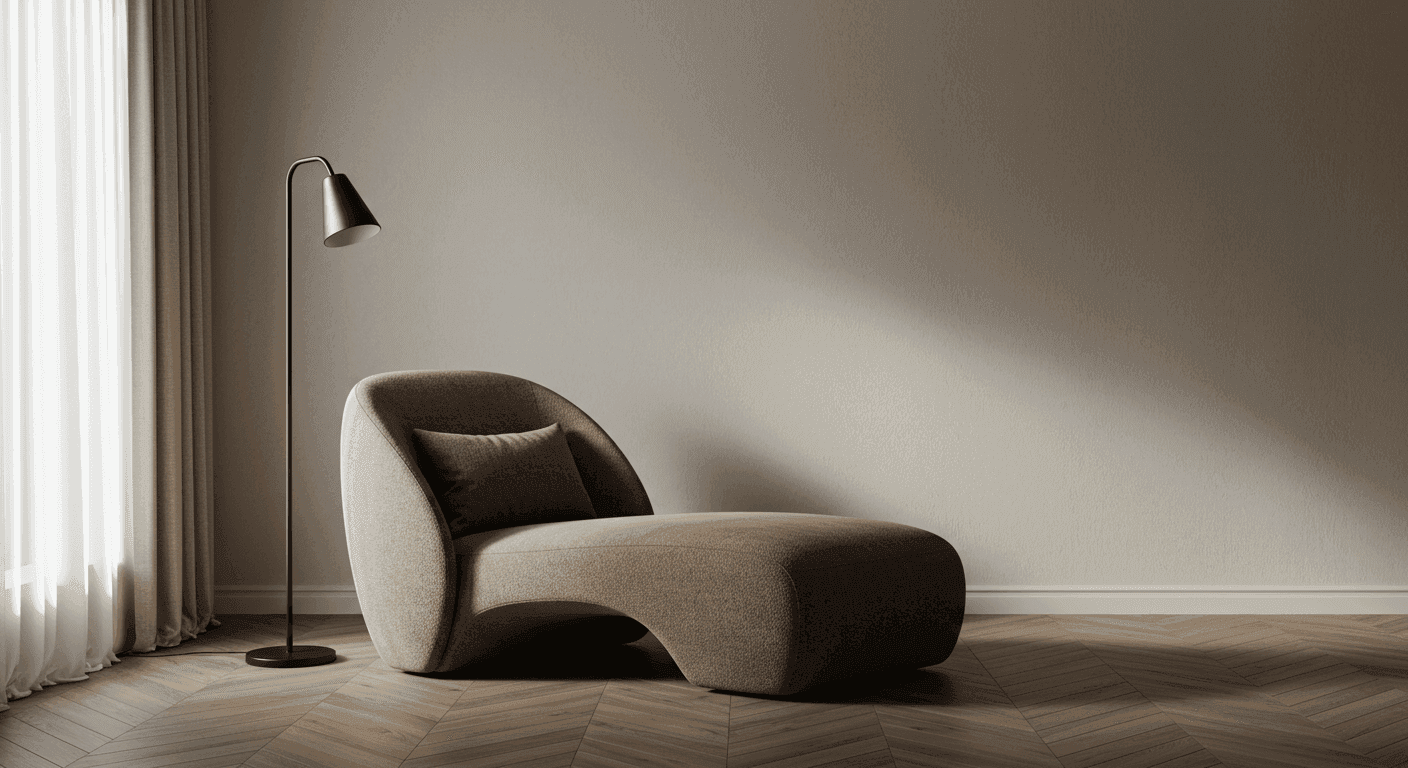
Artifort: the Dutch house behind Pierre Paulin's most photographed work
Artifort has been making upholstered furniture in Maastricht since 1890. Their Paulin work (the Tongue chair, the Mushroom, the Ribbon) is some of the most recognised European mid-century. Here's the short story.
 Read more
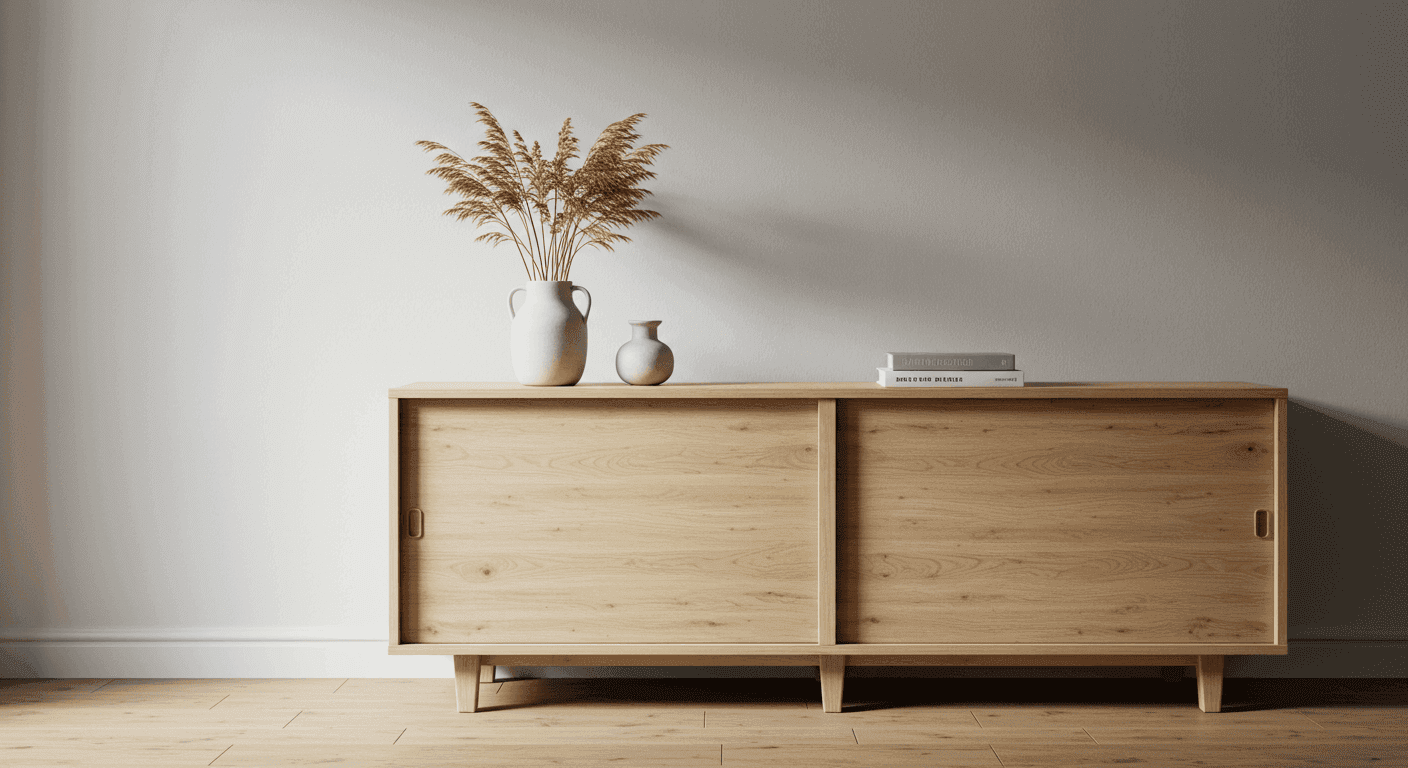
Leolux: the Dutch upholstery house with a fifty-year design pedigree
Leolux has been making upholstered furniture in Venlo since 1934. They have collaborated with Pierre Paulin, Wim van der Steen and others. Here's the short story.
 Read more
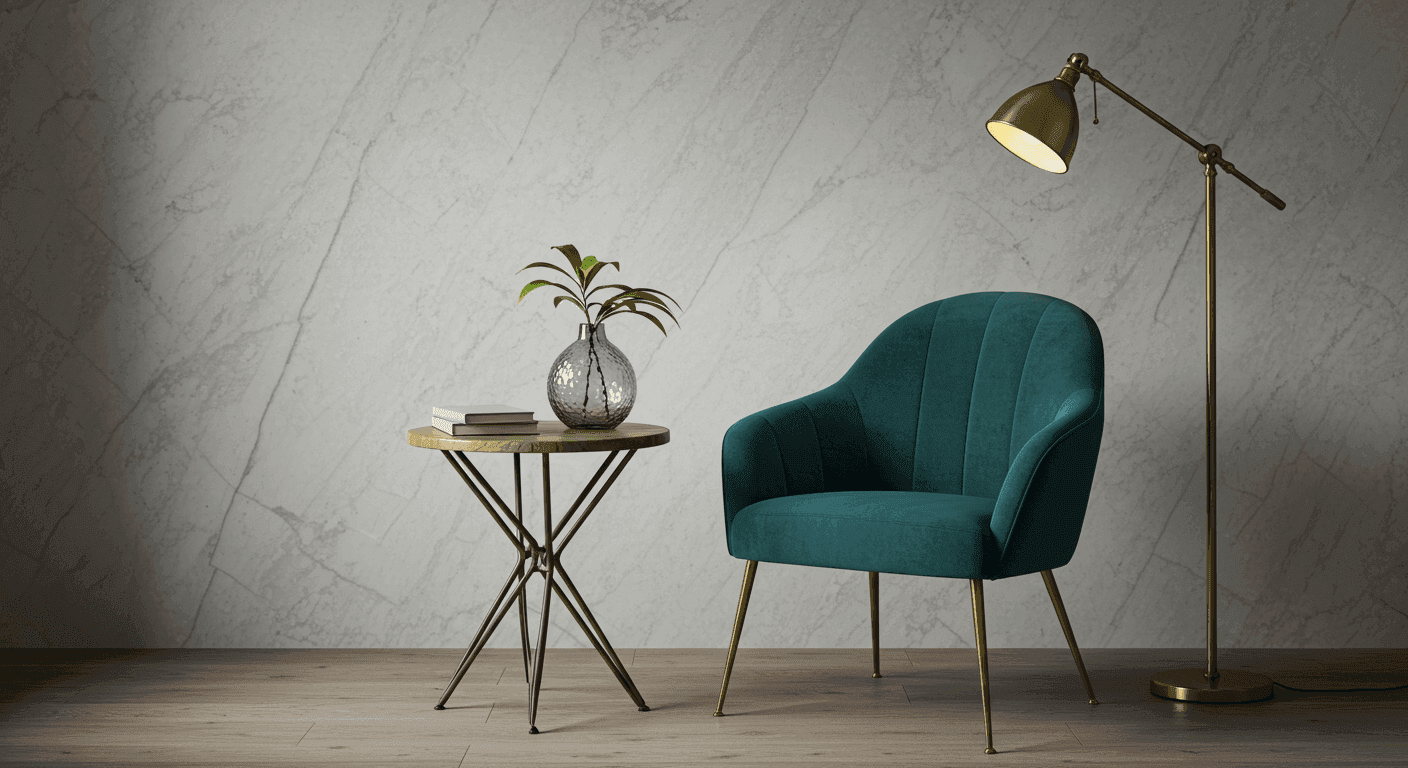
Pastoe: the Dutch maker behind Cees Braakman and post-war Dutch modernism
Pastoe has been making furniture in the Netherlands since 1913. Under Cees Braakman's design direction from 1948 to 1978, they produced some of the most important Dutch mid-century pieces. Here's the short story.
 Read more
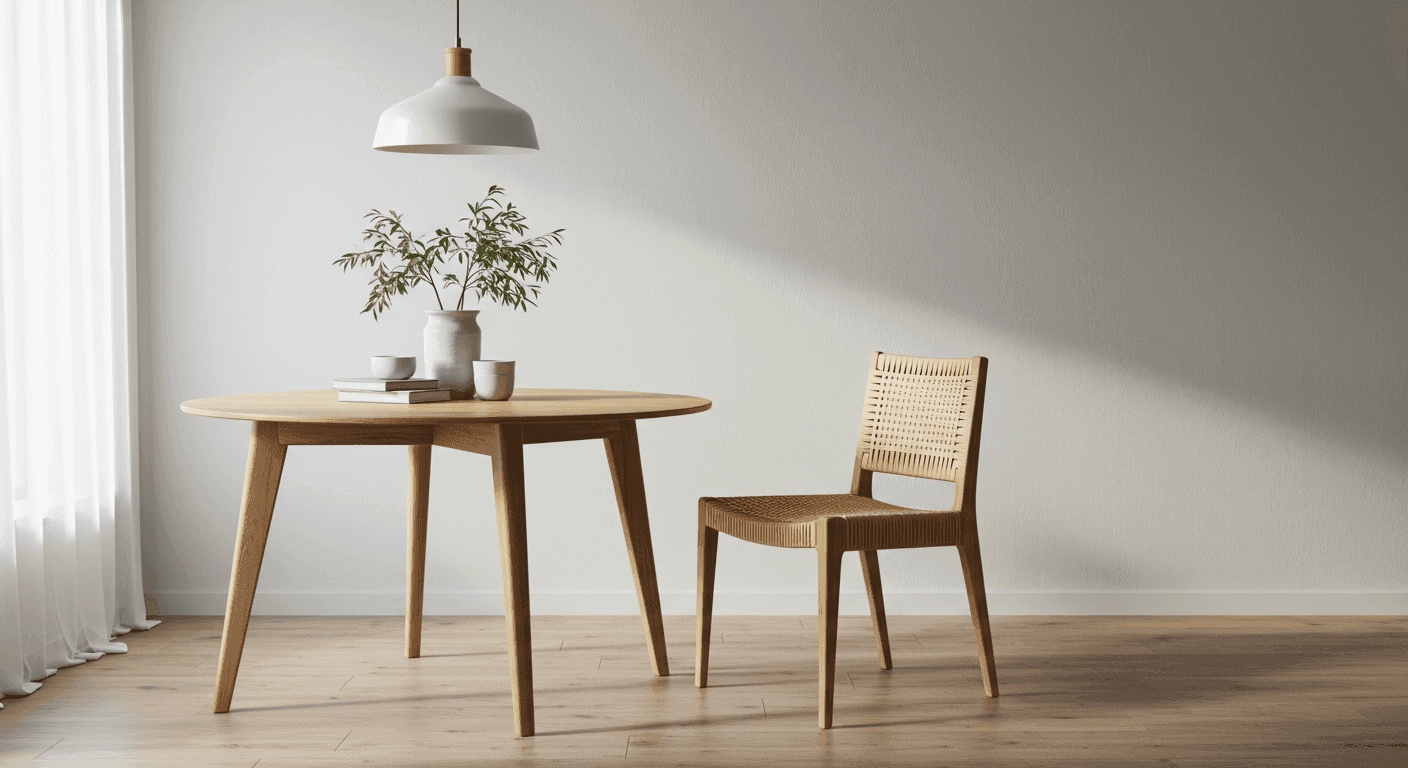
Gubi: the Danish brand reissuing mid-century work that other manufacturers forgot
Gubi has built a catalogue by acquiring rights to lesser-known mid-century pieces (Paavo Tynell, Greta Magnusson Grossman, Mathieu Matégot) and producing them again. Here's the short story.
 Read more
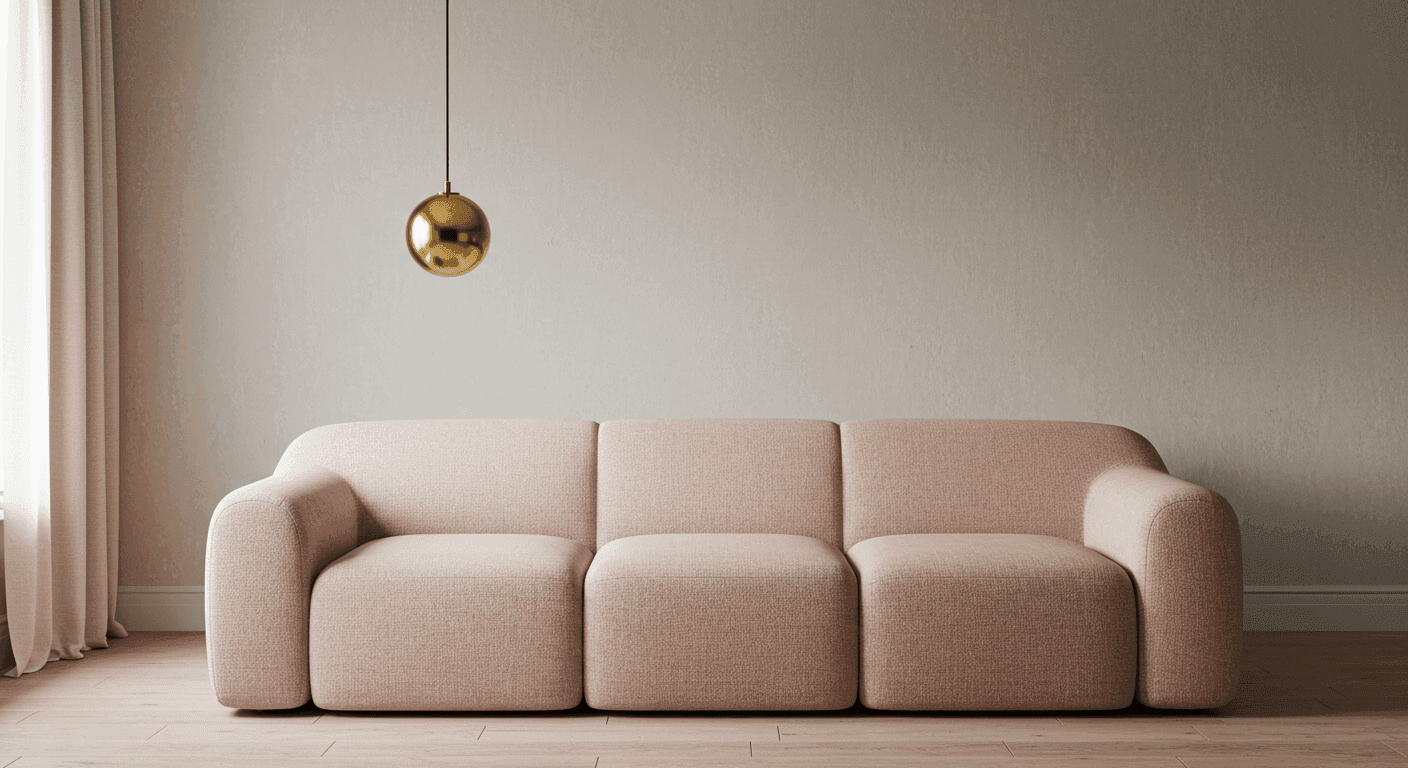
Muuto: the Danish brand that built a contemporary Scandinavian catalogue from scratch
Muuto was founded in 2006 in Copenhagen. They produce contemporary Scandinavian design with a focus on small-format upholstered seating, lighting and storage. Here's the short story.
 Read more
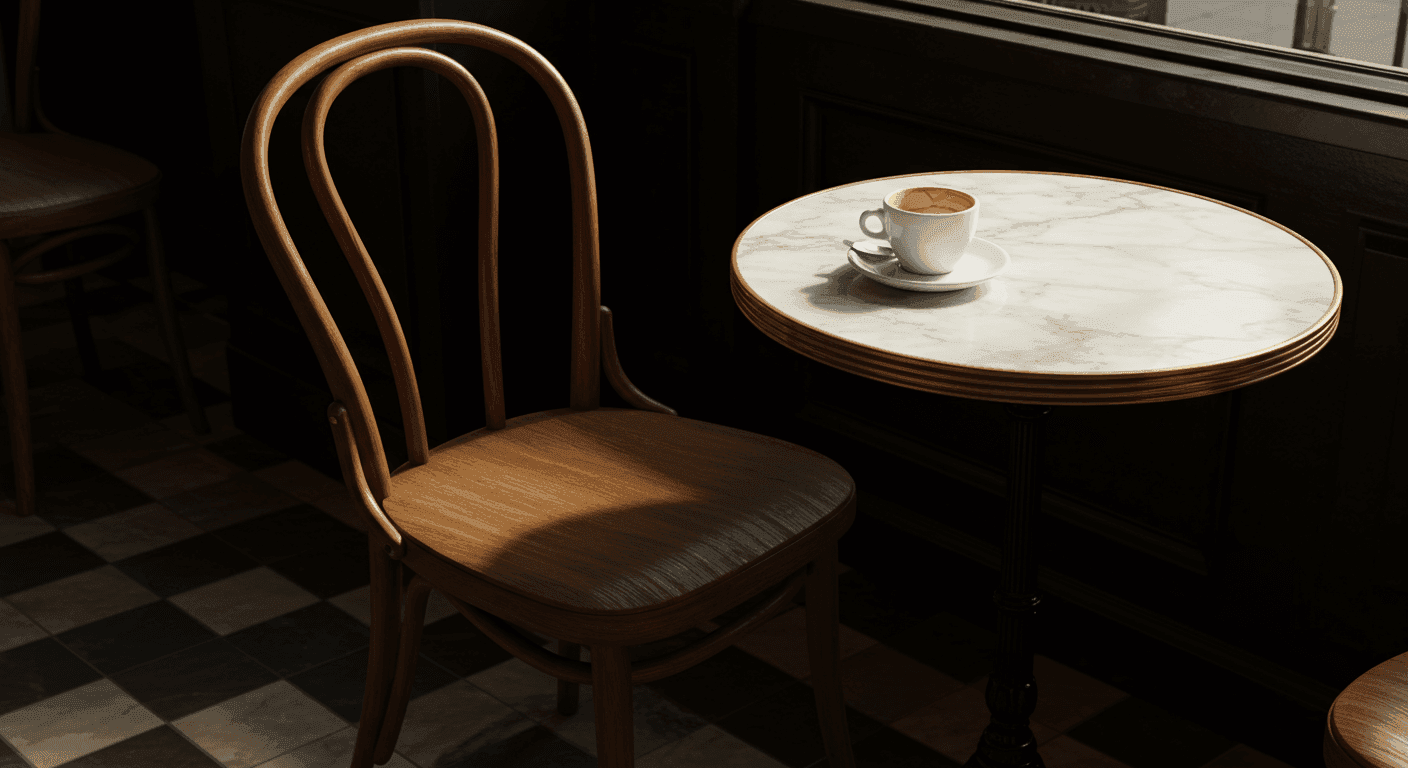
Hay: the Danish brand that brought affordable contemporary design back to the mainstream
Hay was founded in 2002 in Copenhagen. They have become the most influential contemporary furniture brand of the past 20 years, with prices that working people can actually afford. Here's the short story.
 Read more
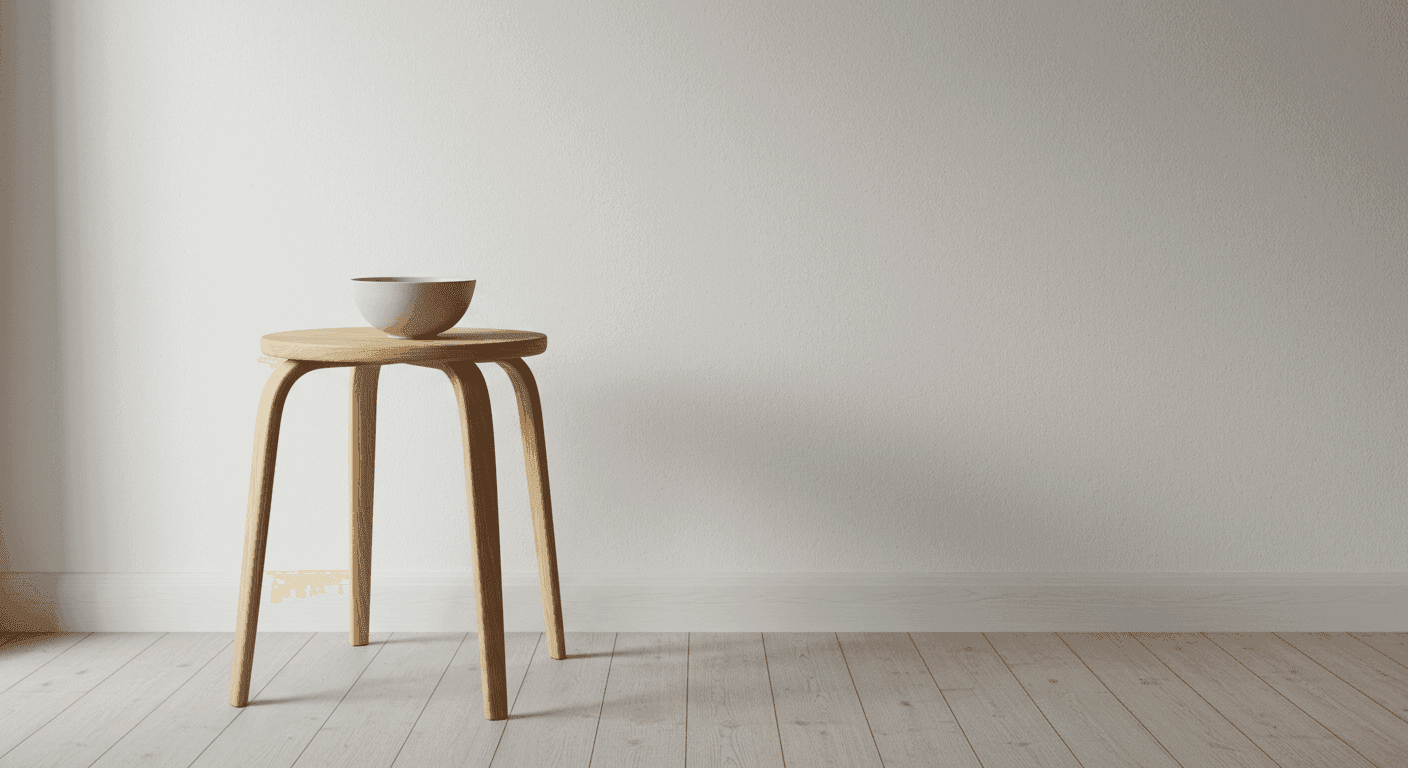
Thonet: the Austrian house that invented bentwood and produced the most-sold chair in history
Thonet has been making bentwood furniture since 1853. The No. 14 chair has sold over 50 million units. Mies van der Rohe's MR10 cantilever is still in Thonet production. Here's the short story.
 Read more
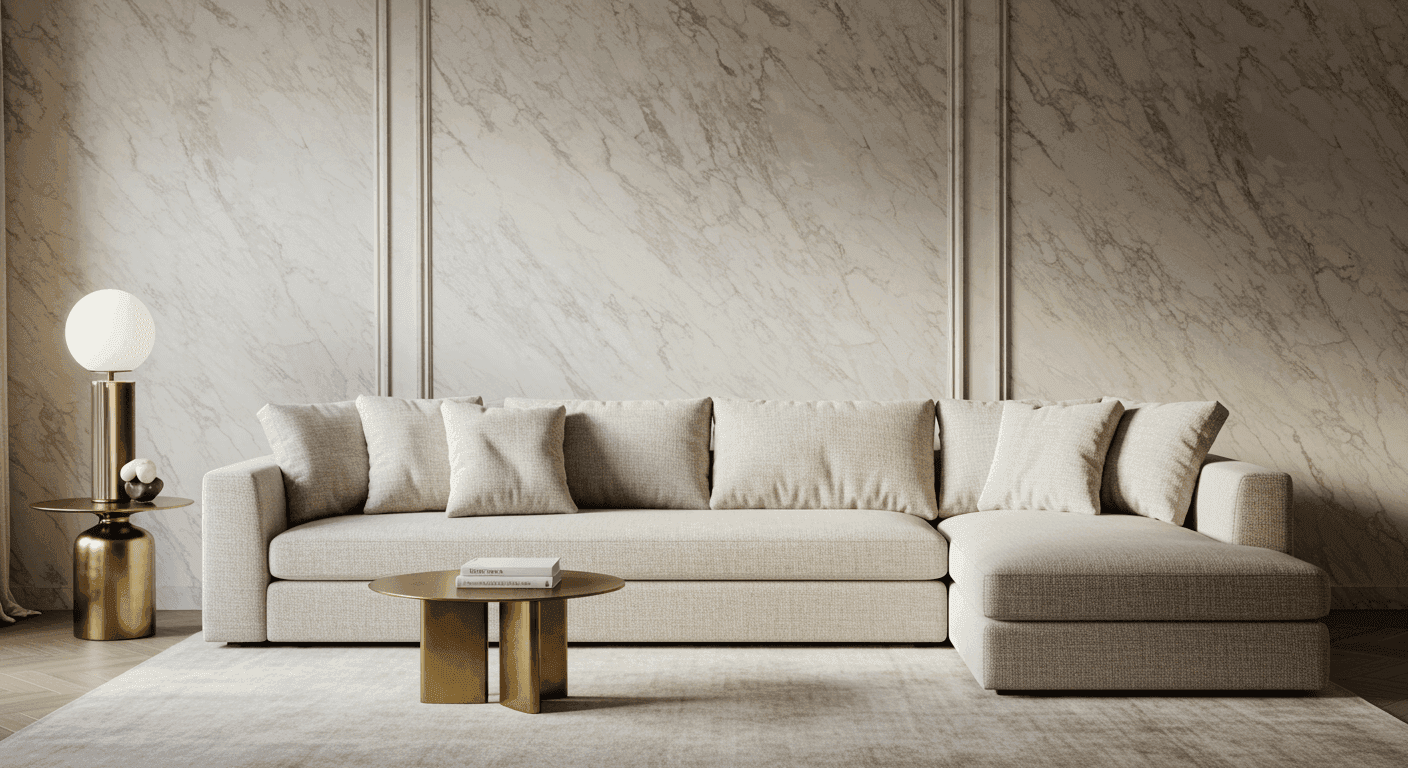
Artek: the Finnish company Alvar Aalto founded to make his own furniture
Artek was founded in 1935 by Alvar Aalto and Aino Aalto specifically to produce their own bent-plywood furniture. The Stool 60 is still in production from the same factory in Turku. Here's the short story.
 Read more
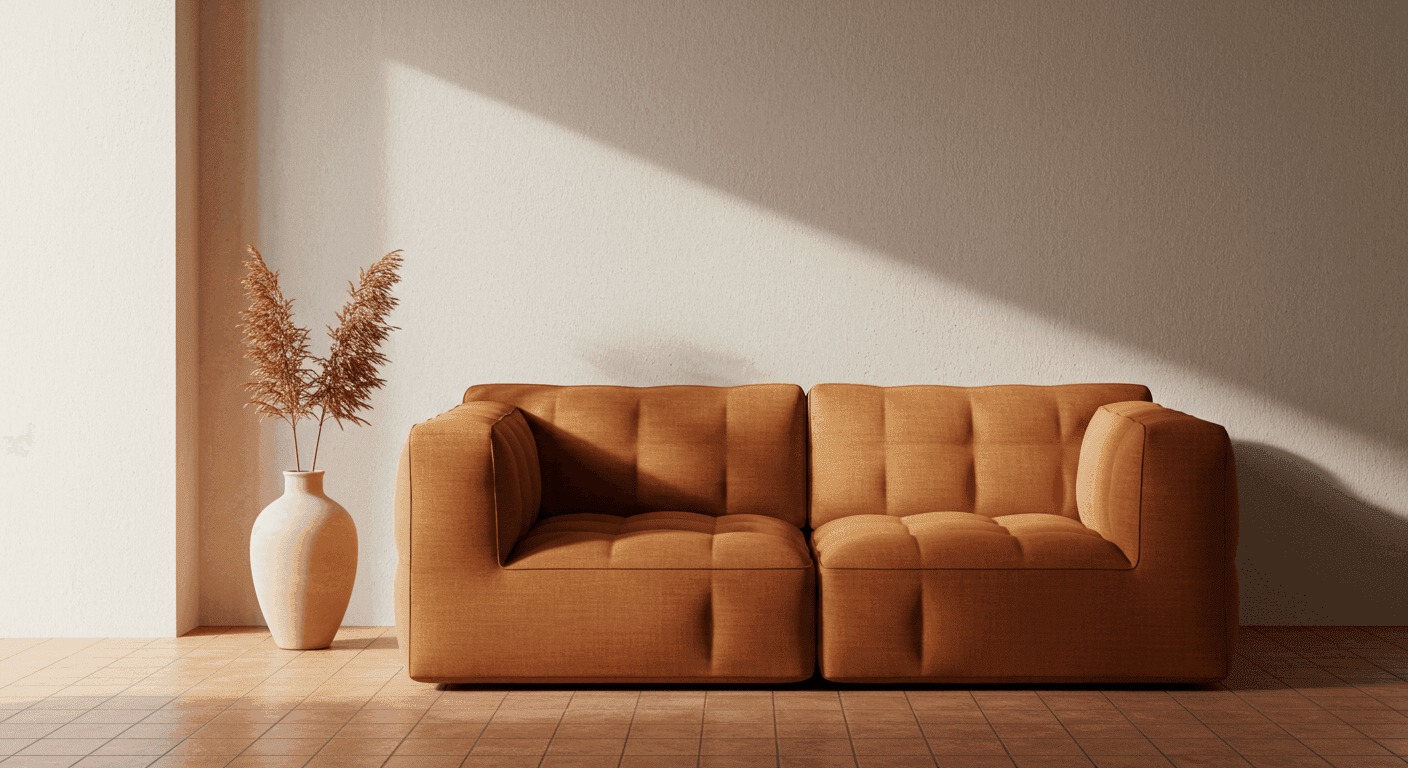
Roche Bobois: the French house of contemporary statement furniture
Roche Bobois has been producing high-end French upholstered furniture since 1960. They are the brand behind the Mah Jong sofa (Hans Hopfer, 1971), one of the most photographed modular sofas of the past 50 years. Here's the short story.
 Read more
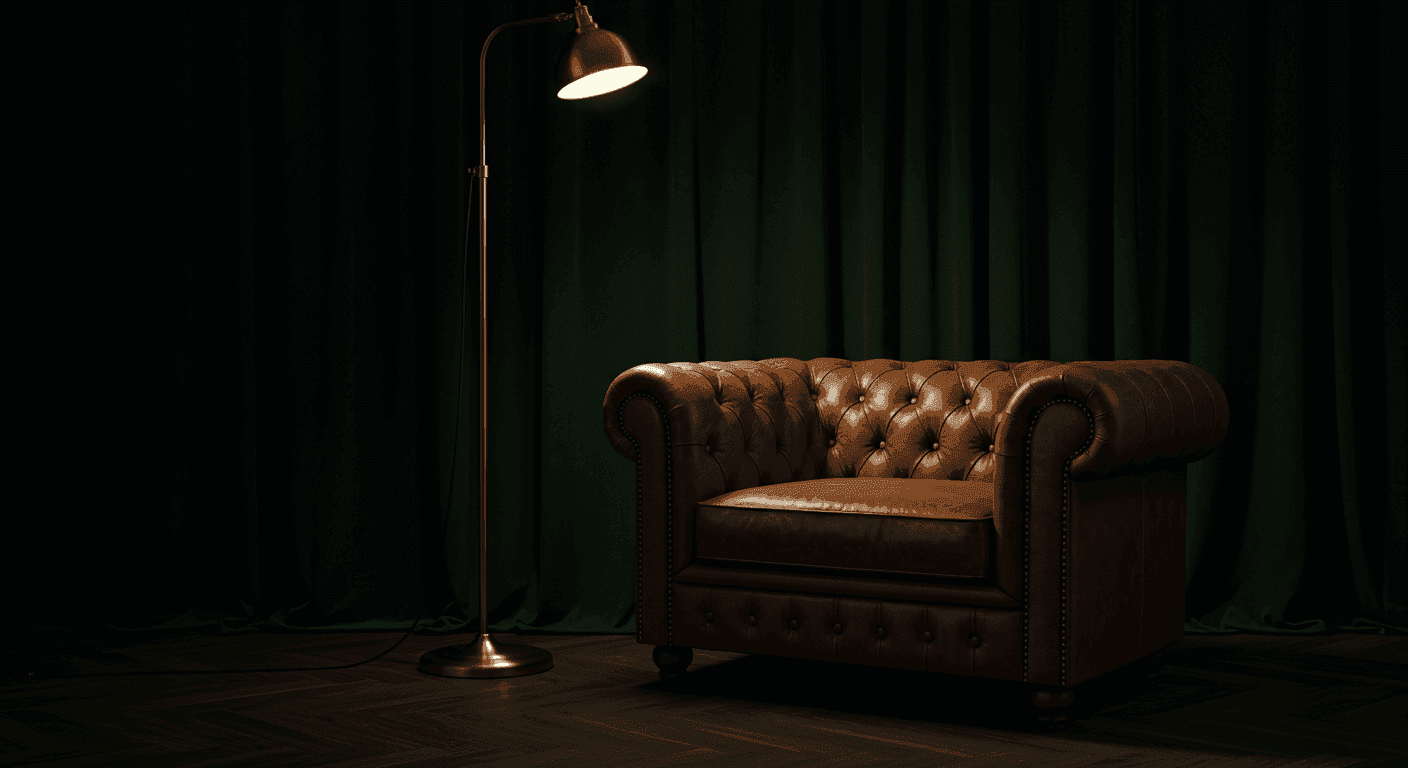
Ligne Roset: the French house behind the Togo sofa
Ligne Roset has been making furniture since 1860. They are the French manufacturer of Michel Ducaroy's Togo sofa, which is the most-replicated sofa shape in contemporary design. Here's the short story.
 Read more
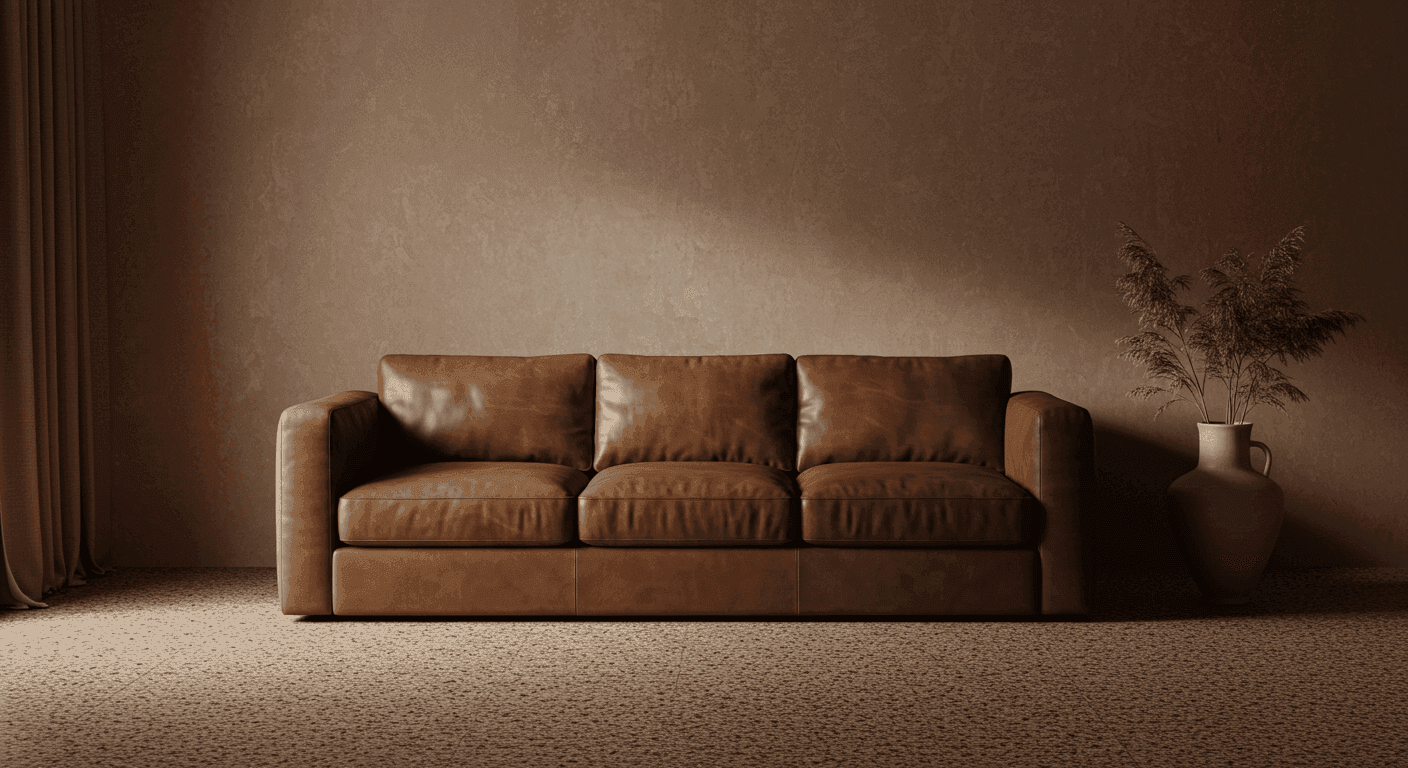
Poltrona Frau: the Italian leather house behind Le Corbusier's seating
Poltrona Frau has been making upholstered furniture in Tolentino, Italy, since 1912. They are the leather house that produces the Vanity Fair, the Chester One, and Cassina's Le Corbusier seating. Here's the short story.
 Read more
B&B Italia: the Italian house that turned upholstered seating into sculpture
B&B Italia has produced the Camaleonda, the Up series, the Bambole, the Husk and most of the major sculptural sofas of post-war Italian design. Here's the short story.
 Read more
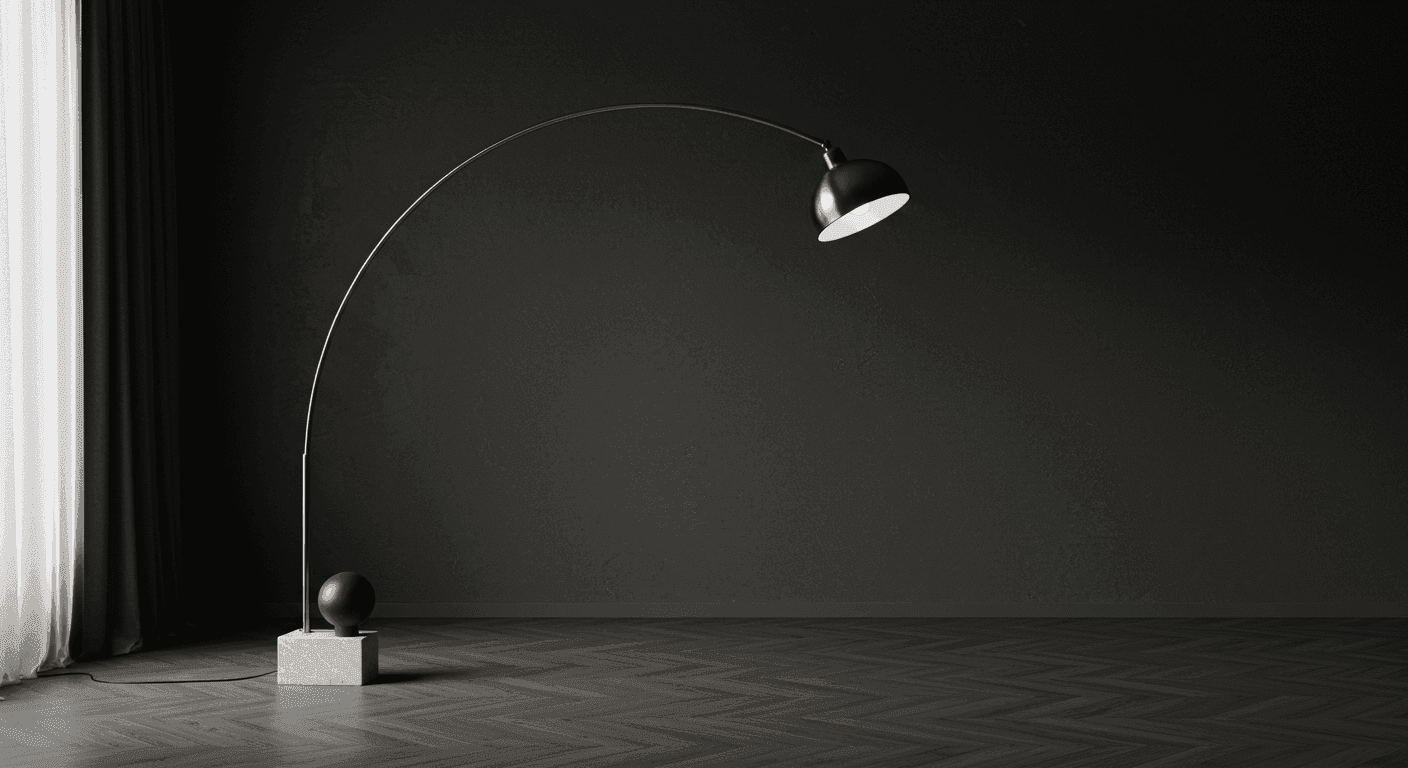
Artemide: the Italian lighting brand of Tizio, Tolomeo and Eclisse
Artemide has produced some of the most recognised Italian lighting of the past 60 years. The Tizio task lamp, the Tolomeo, the Eclisse and the Atollo are all Artemide. Here's the short story.
 Read more
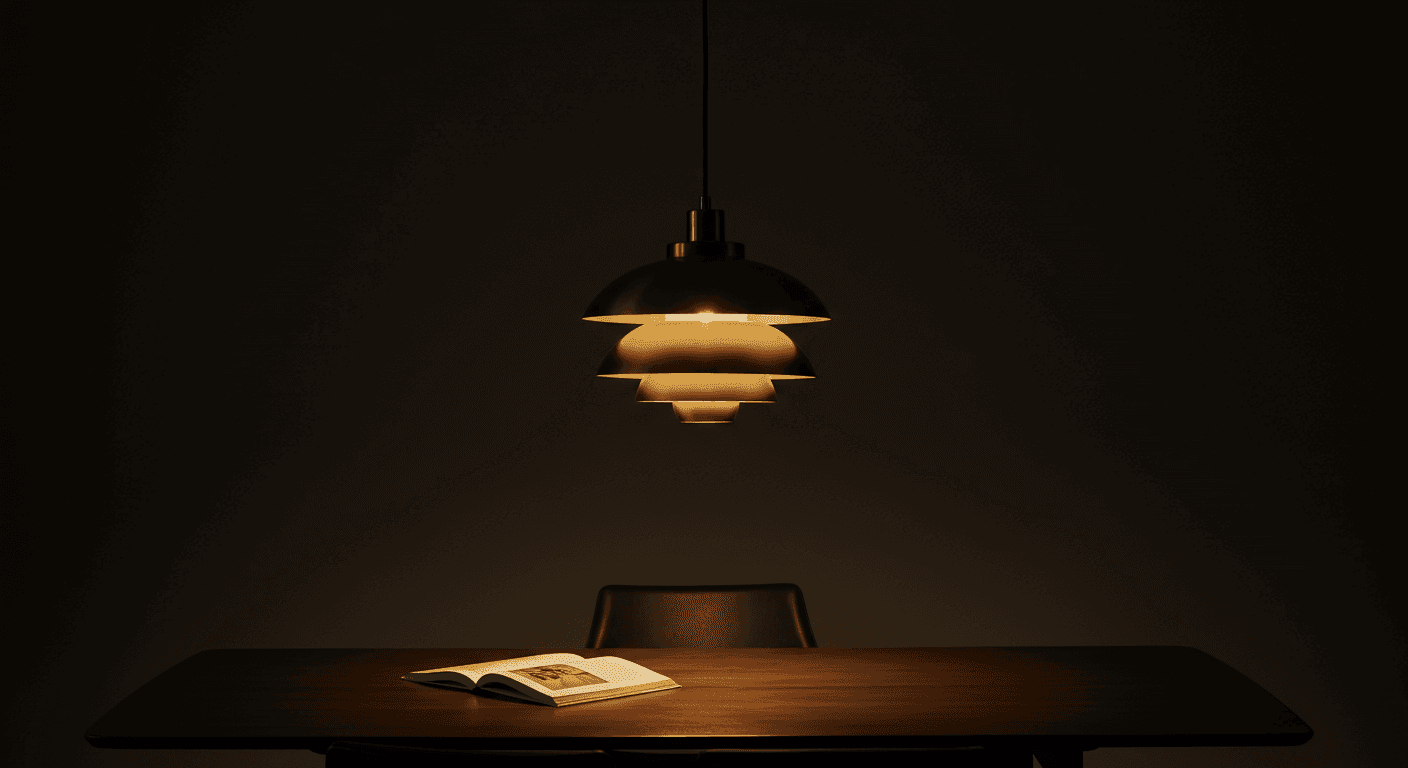
Flos: the Italian lighting company that made the Castiglioni brothers famous
Flos was founded in 1962 specifically to manufacture Achille and Pier Giacomo Castiglioni's Arco. They have since become the most influential Italian lighting brand of the past 60 years. Here's the short story.
 Read more
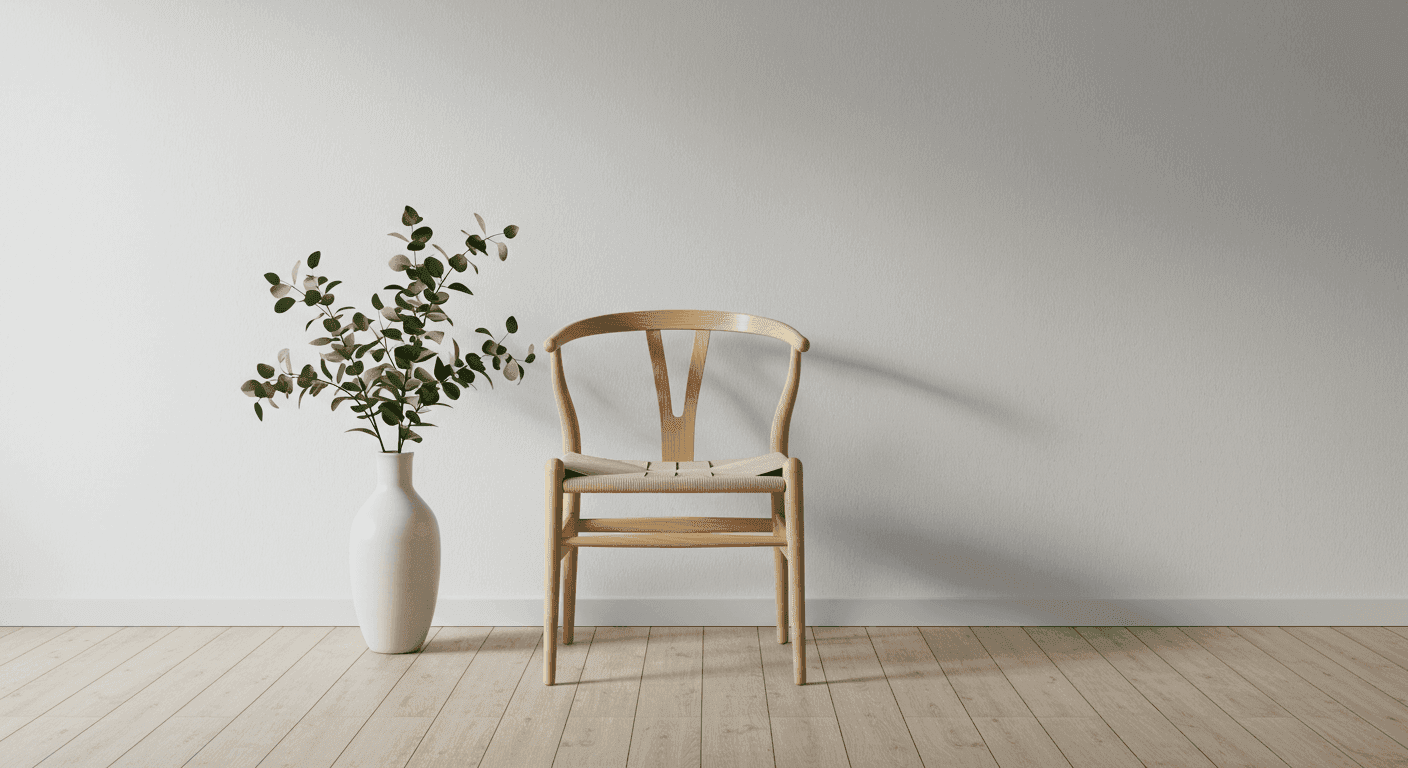
Louis Poulsen: the Danish lighting company that made Poul Henningsen's PH series an icon
Louis Poulsen has been producing Poul Henningsen's PH lamp series since 1925. The PH lamps are the reason 'Danish design' became a global phrase. Here's the short field guide.
 Read more
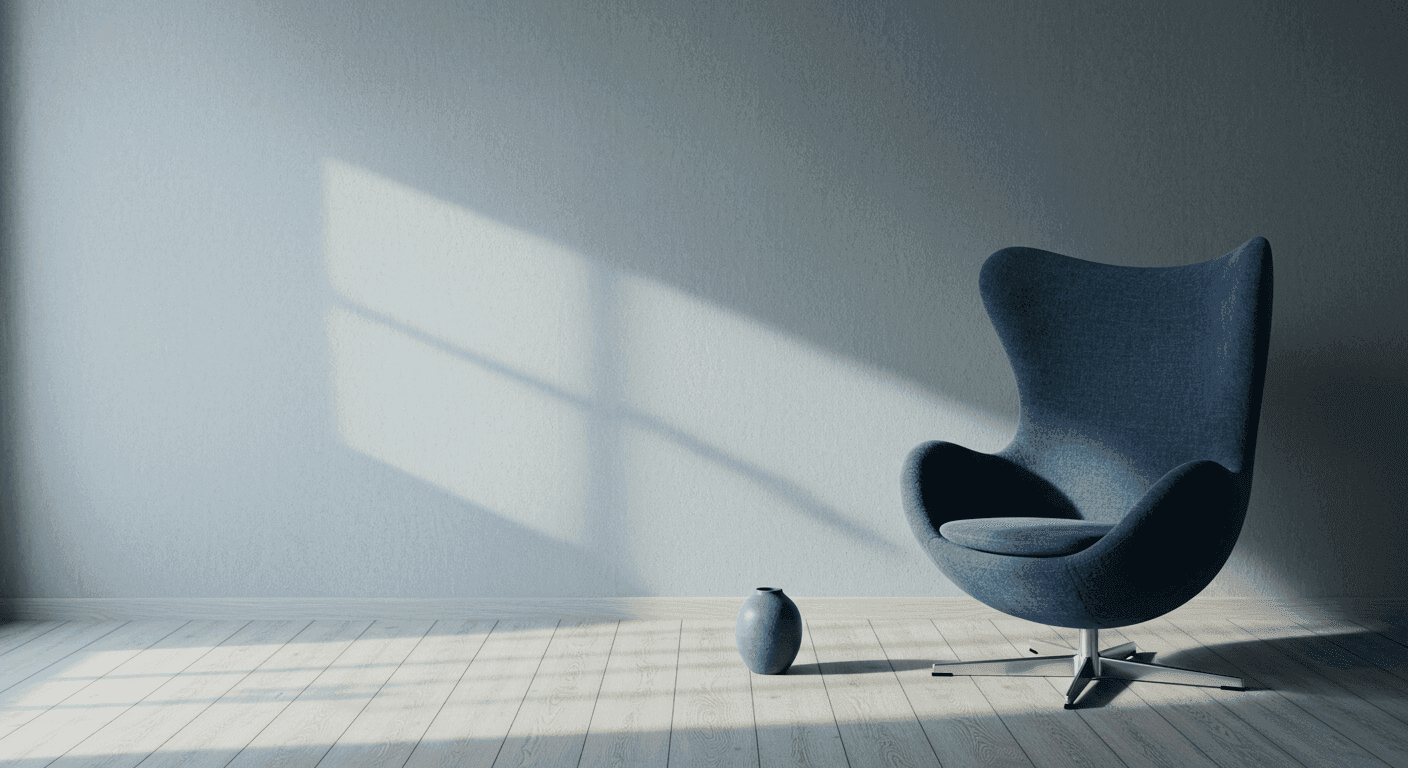
Carl Hansen & Søn: the Danish workshop that has made Wegner's chairs continuously since 1950
Carl Hansen has produced Hans Wegner's CH series since 1950. They are still family-owned, still based in Gelsted on the Danish island of Fyn, and they are one of the easiest brands to verify on the secondhand market.
 Read more
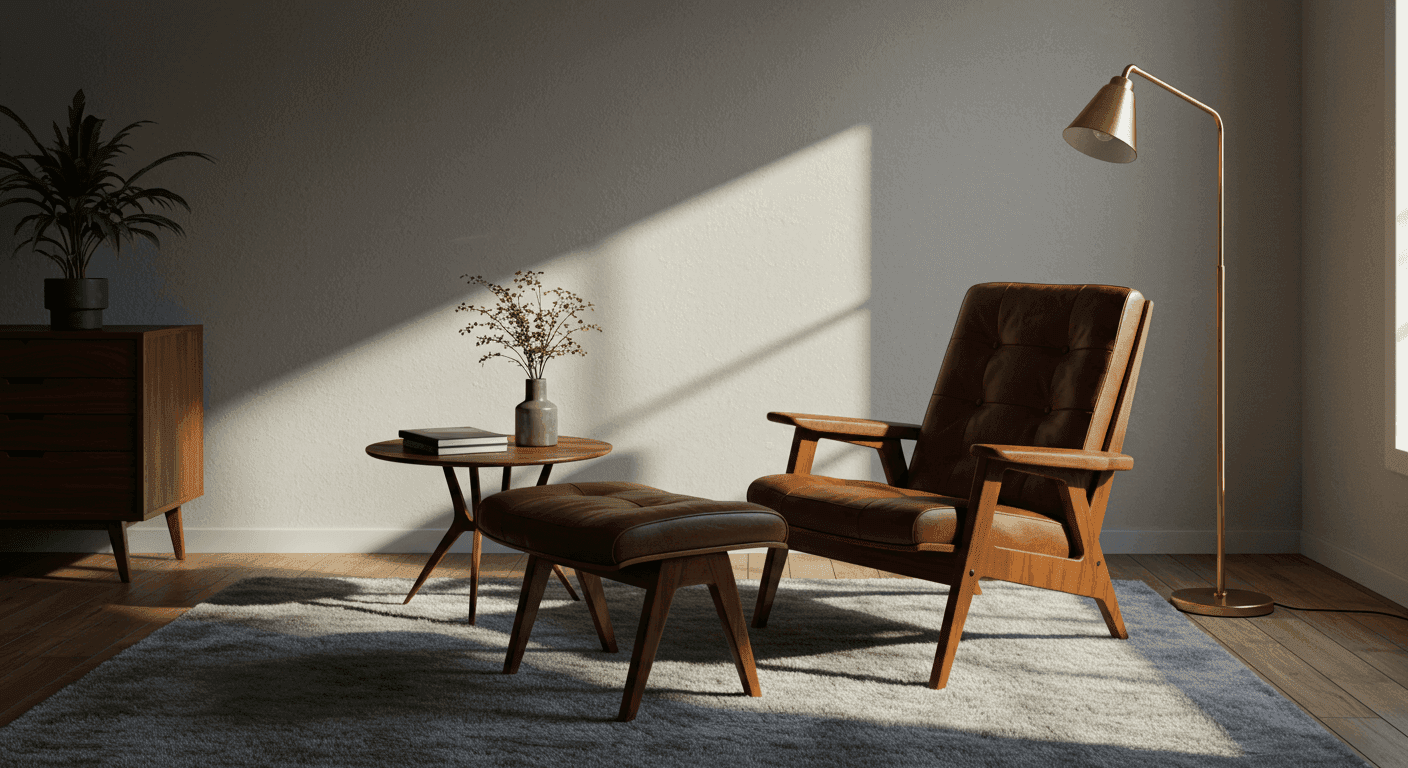
Fritz Hansen: the Danish maker that became the home of Jacobsen, Wegner and Kjærholm
Fritz Hansen has been making furniture in Denmark since 1872. They hold the rights to almost the entire Jacobsen catalogue, plus key Wegner, Kjærholm and Bruno Mathsson pieces. Here's the short story.
 Read more
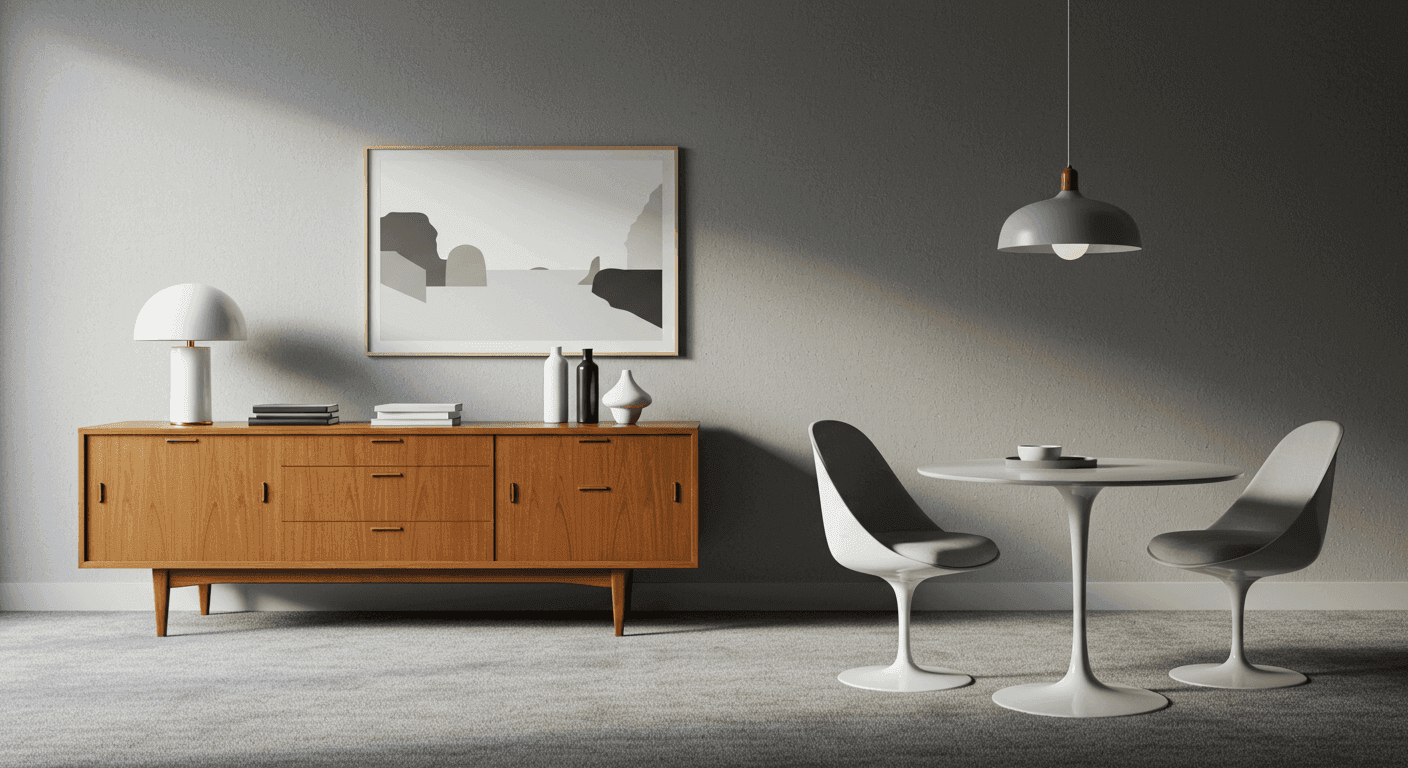
Herman Miller: the American partner that made the Eames work happen
Herman Miller has been the American producer of the Eames catalogue since 1948. They also make George Nelson, Alexander Girard, Charles Pollock and the Aeron chair. Here's the short story.
 Read more
Knoll: the American manufacturer that licensed the Bauhaus to the post-war world
Knoll holds the licences on the Wassily, Cesca, Barcelona, MR10, Saarinen Tulip, Bertoia Diamond, Florence Knoll lounge series and the Mies / Reich catalogue. They are, functionally, the American Cassina. Here's the field guide.
 Read more
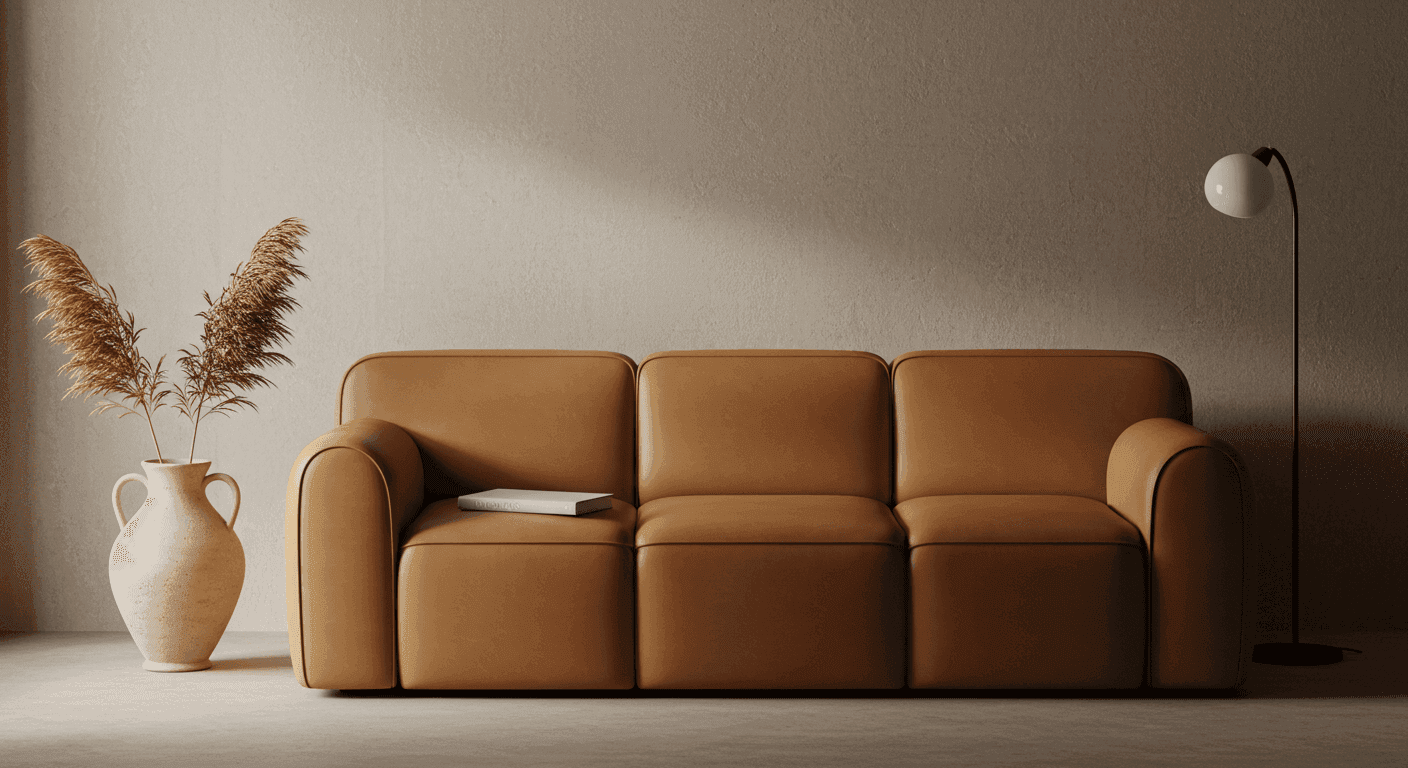
Vitra: the Swiss manufacturer that became the European home of Eames
Vitra has been the European licensed producer of Charles and Ray Eames since 1958. They also make Verner Panton, Jasper Morrison, Hella Jongerius and more. Here's the short field guide.
 Read more
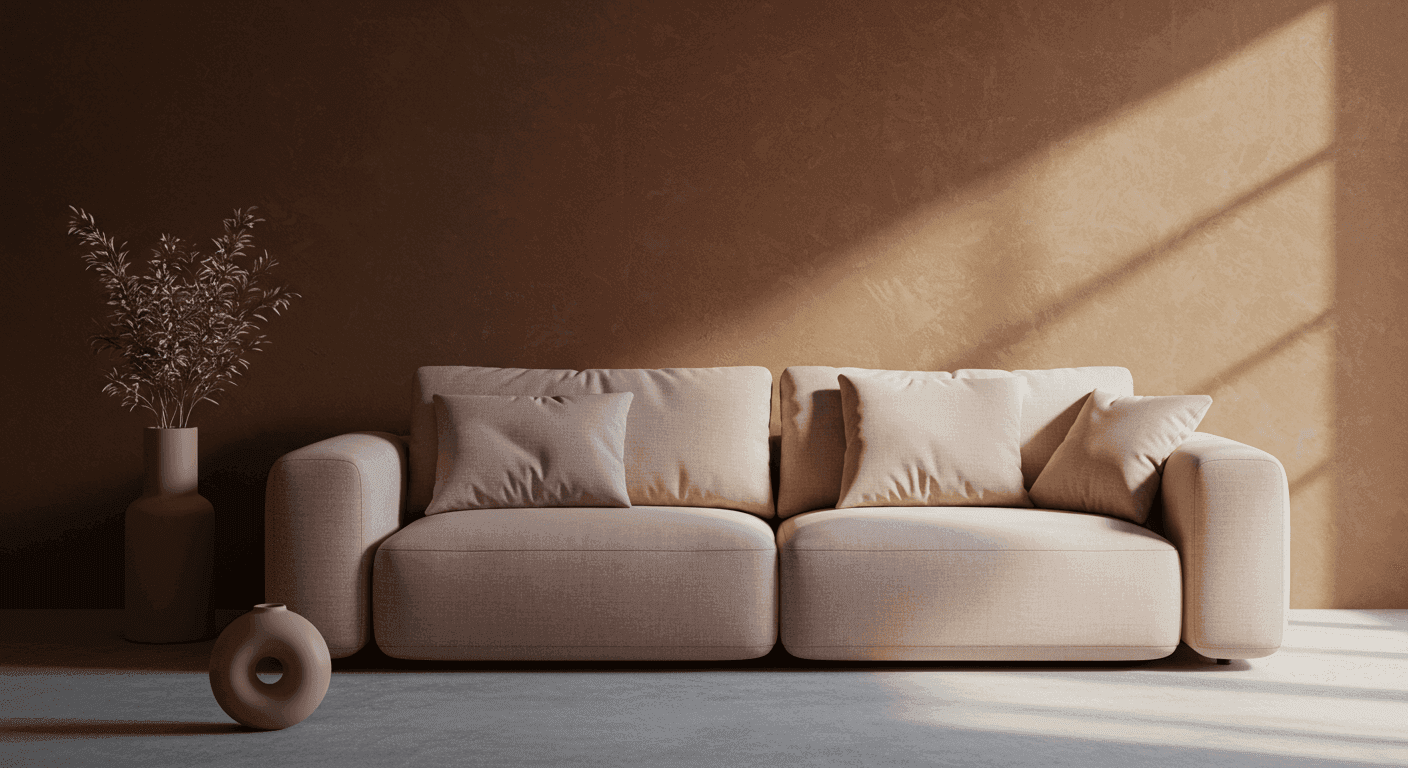
Cassina: the Italian house that holds the licence on most modern furniture history
Cassina has been making furniture since 1927 and holds the licence on the entire Le Corbusier / Perriand / Jeanneret catalogue, plus most of the Italian post-war canon. Here's what to know before you buy a Cassina piece secondhand.
 Read more
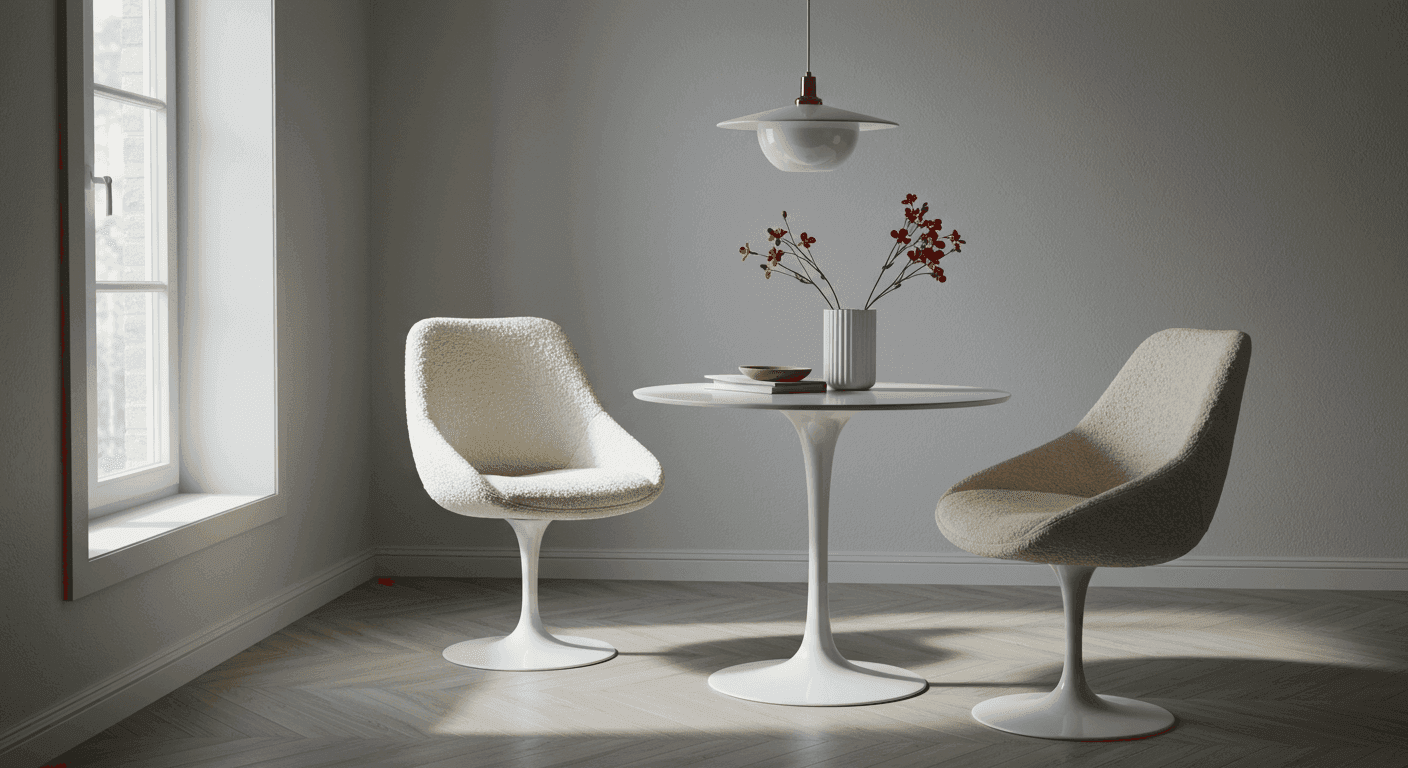
Patricia Urquiola: the contemporary designer most likely to be the next Achille Castiglioni
Patricia Urquiola is the most prolific and influential furniture designer working in 2026. Her pieces are already showing up on the secondhand market, and they're worth paying attention to now.
 Read more
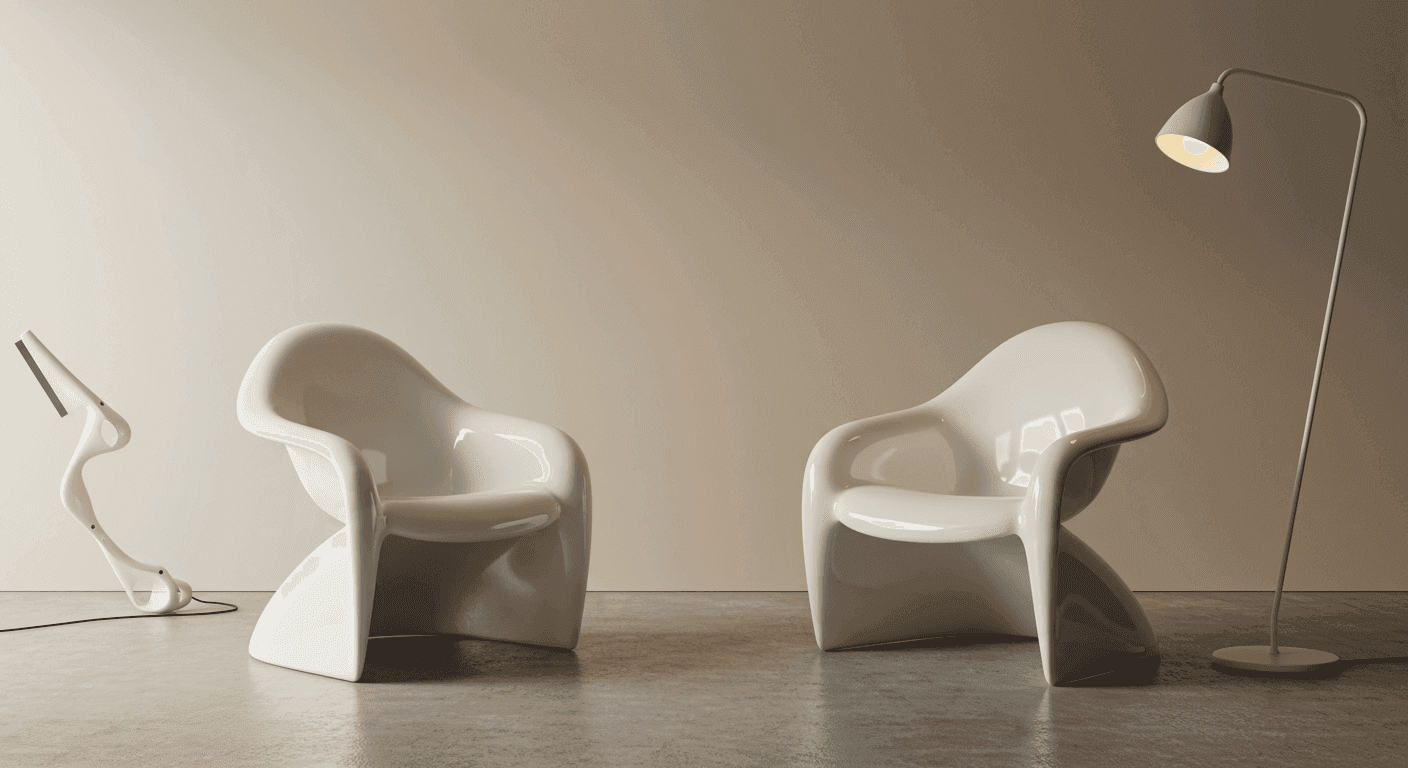
Eero Saarinen: the architect who designed the airport you've probably flown through
Eero Saarinen designed the TWA Flight Center, the St Louis Gateway Arch, and a small handful of chairs that became the visual shorthand for mid-century optimism. Here's the short field guide.
 Read more
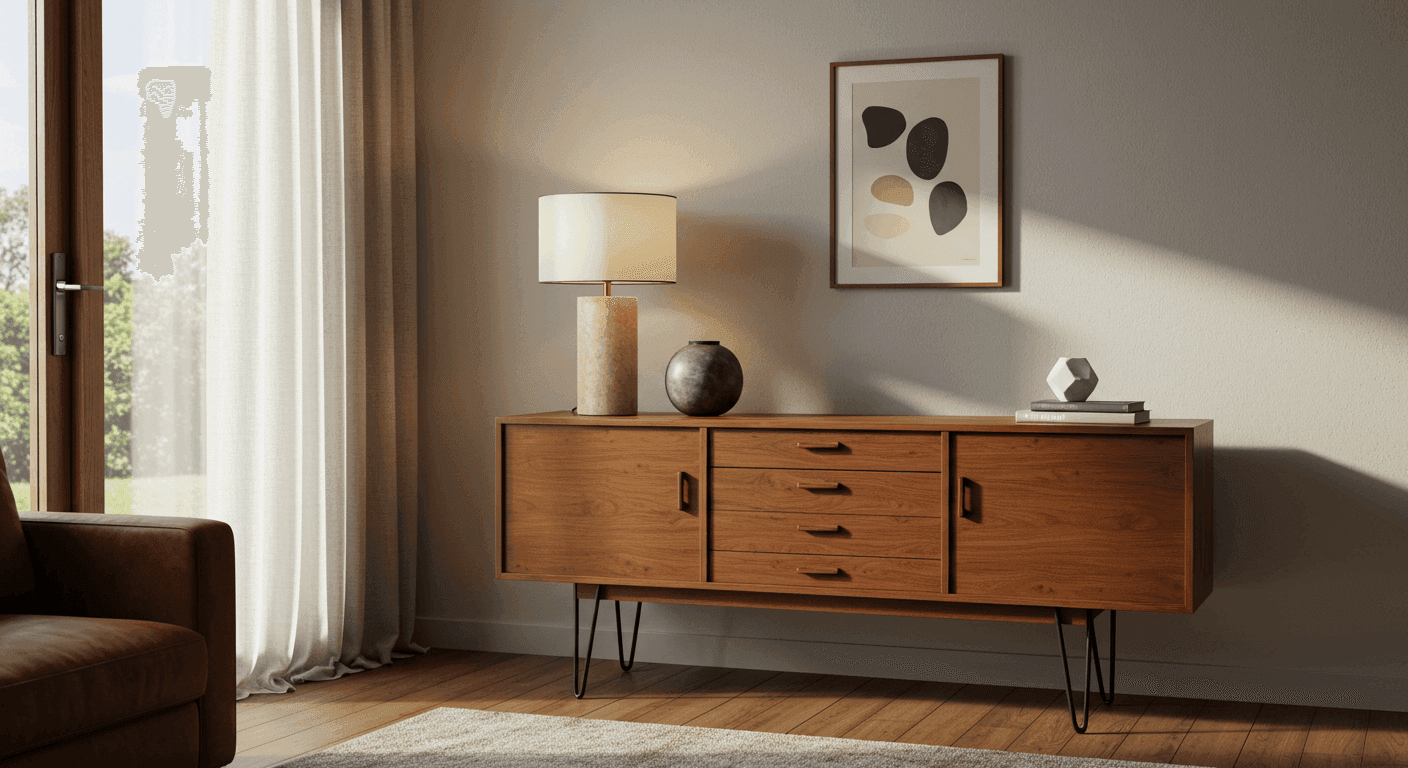
Joe Colombo: the Italian futurist who designed for a world that arrived later
Joe Colombo designed for the year 2000 from his Milan studio in the 1960s. He died at 41 and left a catalogue of plastic, modular, sci-fi furniture that became the visual reference for everything we now call 'Space Age'.
 Read more
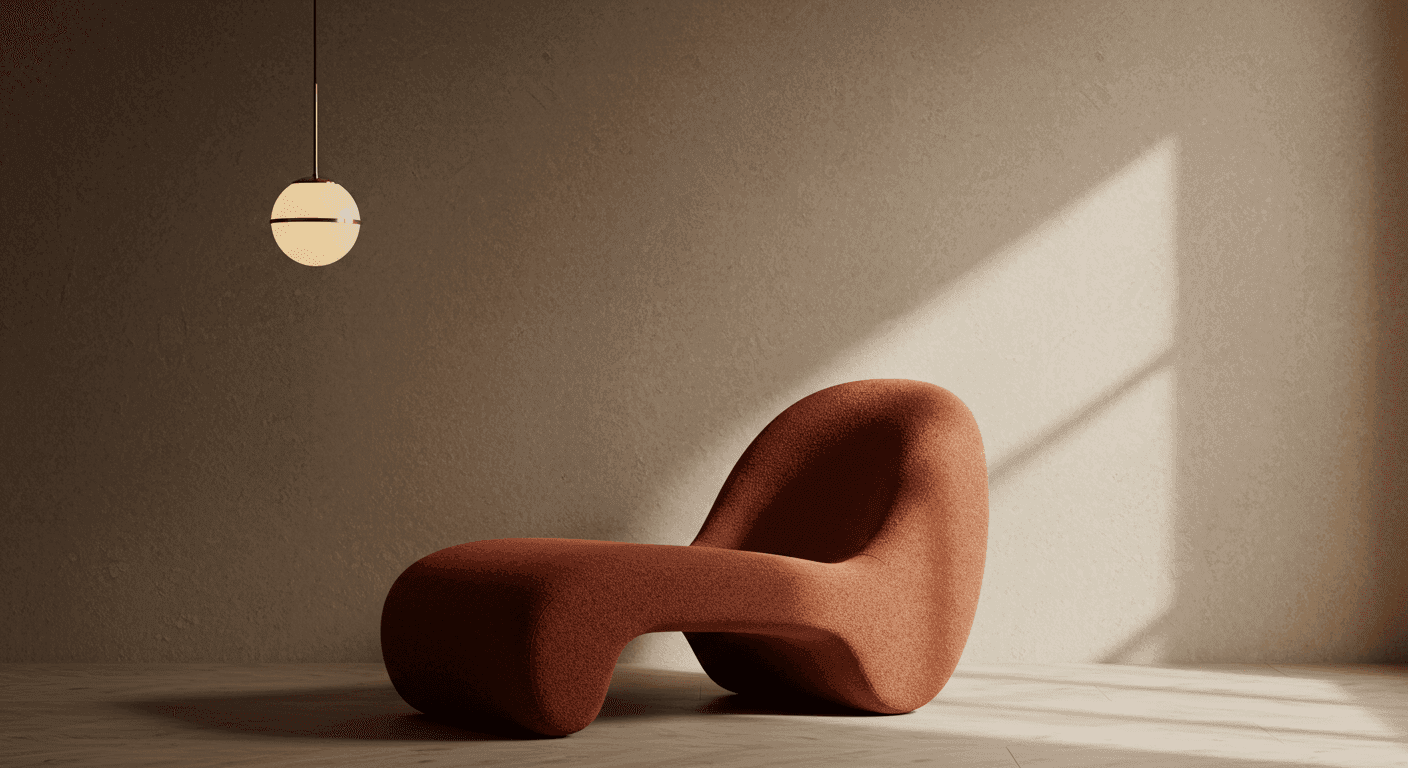
Florence Knoll Bassett: the architect who reshaped the American office
Florence Knoll designed the post-war American executive office (and most of Knoll's residential furniture along the way). Her work is the disciplined, calm side of mid-century, and it's still some of the best-built furniture you can buy.
 Read more
Pierre Paulin: the Frenchman who softened modernism into curves
Pierre Paulin's chairs from the 1960s and 70s are the most distinctive shapes of French post-war design. He worked with Artifort and produced some of the most photographed seating of the era.
 Read more
Ettore Sottsass: the architect who invented postmodern furniture
Sottsass led the Memphis movement in the 1980s and changed how design thinks about colour, ornament and irony. His personal catalogue (separate from Memphis) is also exceptional, particularly his Olivetti work.
 Read more
Vico Magistretti: the architect who designed the most comfortable Italian chairs
Vico Magistretti's sofas and chairs are the comfortable, civilised Italian post-war work. He designed for Cassina, De Padova and Oluce, and his pieces are the ones I most often recommend for everyday use.